The depopulated village of 'Ayn al-Zaytun / District of Safed
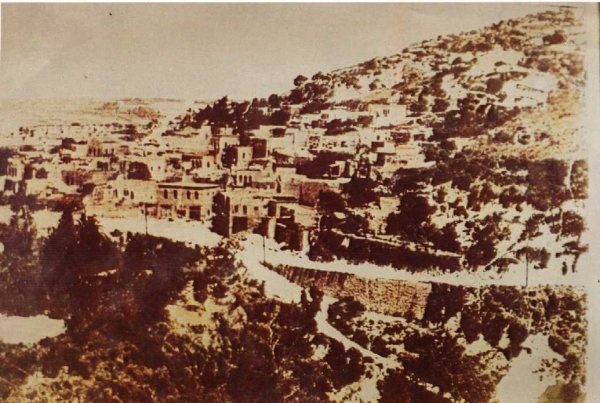
'Ayn al-Zaytun
About the depopulated village of 'Ayn al-Zaytun
- District
- Safed
- Date 'Ayn al-Zaytun was occupied
- 01 May 1948
- Population in 1948
- 950
- Military operation
- Operation Yiftach
- Brigade that carried it out
- Palmach
- Distance from the governorate centre
- 1.5 (km) North East of Safad
- Elevation above sea level
- 700 m
- Cause of displacement
- Military assault by Zionist troops
- Extent of destruction
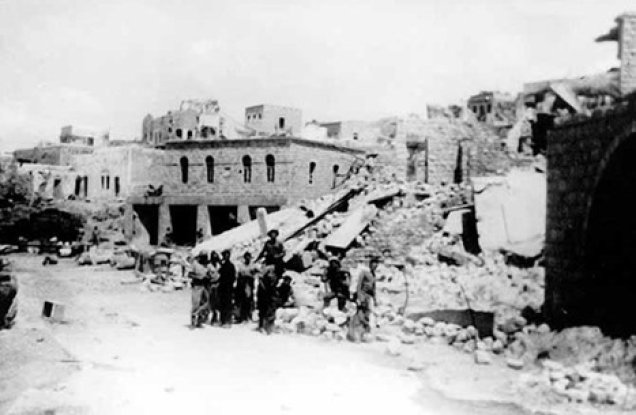
- On May 3rd 1948, the village was mostly destroyed with the exception of few deserted house.
- Ethnic cleansing
- 'Ayn al-Zaytun inhabitants were completely ethnically cleansed.
Hover a dot to read the village name, or click to open its card.
Borders of the depopulated village of 'Ayn al-Zaytun
'Ayn al-Zaytun – Depopulated Palestinian Village of the Safad District
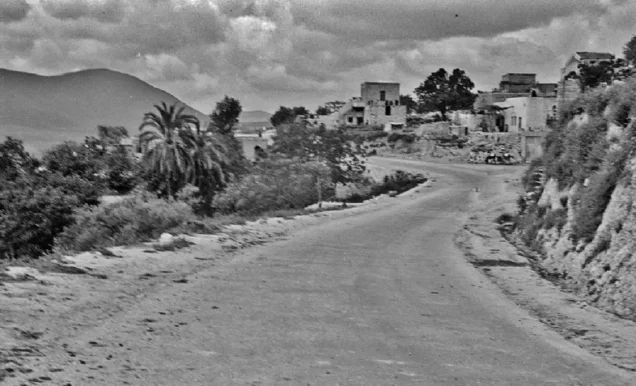
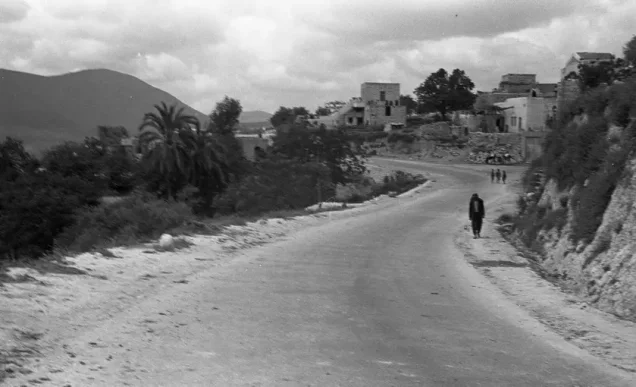
'Ayn al-Zaytun was a depopulated Palestinian village in the Safad District. It stood on the western slope of Wadi al-Dilb in Upper Galilee, approximately 1.5 kilometers from Safad, at an average elevation of about 700 meters above sea level. Because of its proximity to the district capital, it was effectively regarded as a suburb of Safad.
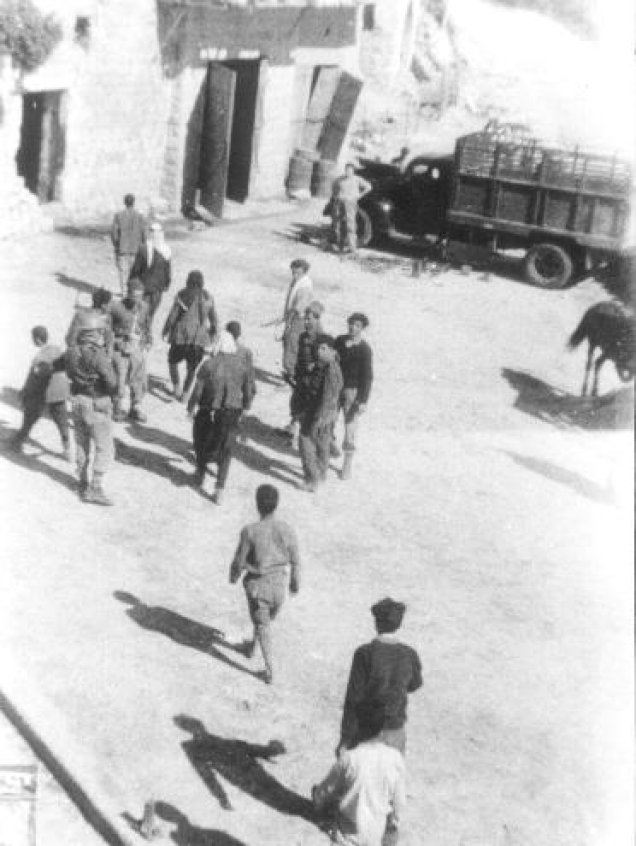
Palmach forces occupied 'Ayn al-Zaytun on 1 May 1948 as a preliminary step toward the assault on Safad during Operation Yiftach. Most inhabitants were expelled, a number of men were detained, and prisoners were subsequently killed. On 2–3 May, Palmach demolition units burned or blew up many of the village houses.
Location and Geography
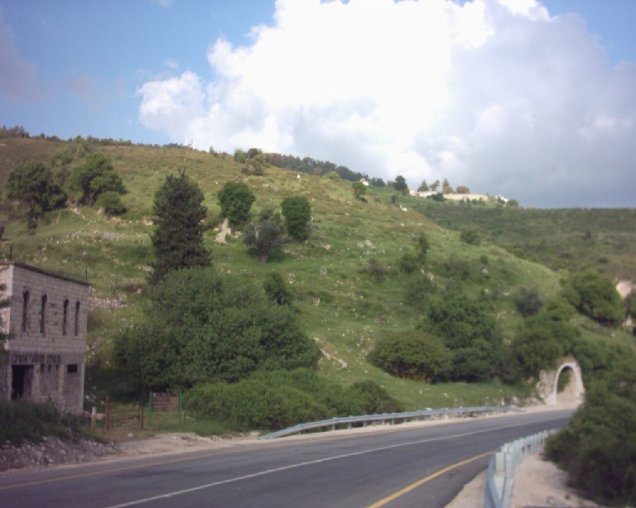
The village stood on the western slope of Wadi al-Dilb beside the main road leading to Safad. As its population grew, the built-up area expanded southward toward the city.
Its average elevation was approximately 700 meters above sea level. PalQuest gives its distance from Safad as 1.5 kilometers, while the Palestinian Encyclopedia rounds the distance to approximately 2 kilometers.
According to supporting Palestinian local documentation, Taitaba lay to the north, Biriyya to the east, Safad and al-Zahiriyya al-Tahta to the south, al-Sammu'i to the southwest, Mirun to the west, and Qaddita to the northwest.
Name and Historical Background
The Arabic name 'Ayn al-Zaytun means “Spring of the Olives,” reflecting both a nearby spring and the importance of olive cultivation in the village lands.
Walid Khalidi suggests that Wadi al-Dilb may have been the Wadi Dulayba described by the medieval Arab geographer al-Dimashqi, who wrote of a spring between Mirun and Safad whose water flowed for a limited period and then suddenly receded.
In 1596, 'Ayn al-Zaytun belonged to the nahiya of Jira in the liwa' of Safad and had an estimated population of approximately 622. The inhabitants paid taxes on wheat, barley, olives, vineyards, and orchards.
Late nineteenth-century visitors described it as a stone-built village on a hill north of Safad, surrounded by cultivable land, with an estimated population of between 200 and 350.
Population and Houses
The inhabitants of 'Ayn al-Zaytun were Muslims. Official Mandate censuses recorded 386 inhabitants in 1922, increasing to 567 in 1931 and 820 in 1945.
- 1596About 622Estimate derived from Ottoman tax records, not a modern census
- 1922386Official Mandate census; all inhabitants were Muslims
- 1931567Official census; all inhabitants were Muslims
- 1945820Official statistics
- 1948About 951Later estimate, not an official British census
- 1998About 5,841 refugees and descendantsLater demographic estimate
The 1931 census recorded 127 houses. The Palestinian Encyclopedia gives a figure of 137 houses without clearly tying it to an official census year, while Palestine Remembered gives a later estimate of approximately 213 houses for 1948. The securely documented official figure is therefore 127 houses in 1931.
Built Environment
The village was largely built of stone. Its residential area expanded southward toward Safad as the population grew.
The official 1944/45 statistics classified 35 dunams as built-up land.
Mosque and Education
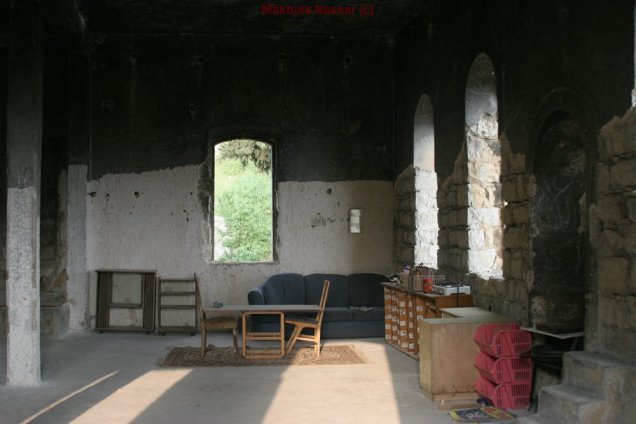
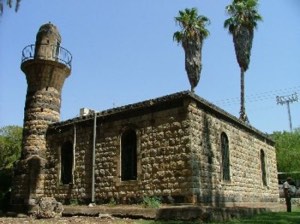
'Ayn al-Zaytun had a mosque and an elementary school, both explicitly documented by Walid Khalidi.
Supporting Palestinian local documentation states that the school opened in the early 1920s after villagers helped provide a building near the mosque. It later expanded as enrollment increased. Instruction extended through the fourth elementary grade and was primarily for boys, although a small number of girls were also reported to have attended.
The principal historical source does not document a church, and the population is described as entirely Muslim. An unsupported church entry appearing in one online table has therefore not been adopted.
Water Resources
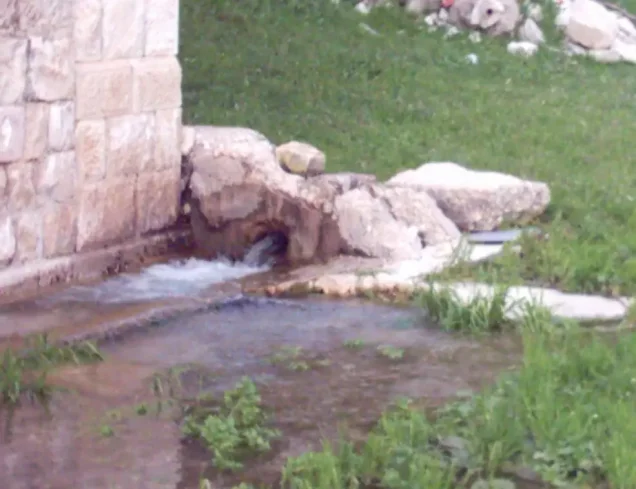
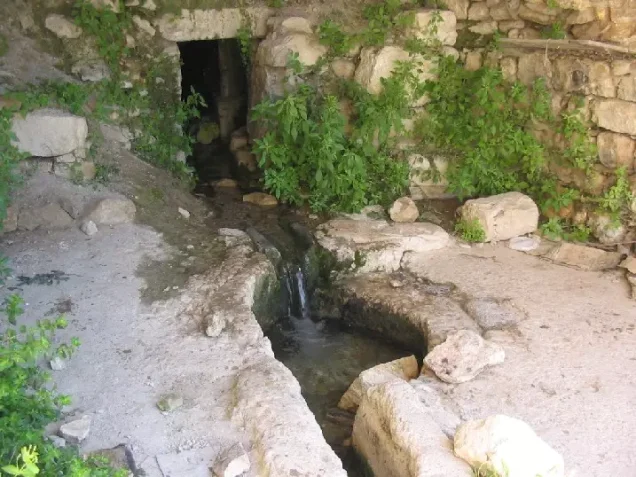
Agriculture was primarily rainfed. For drinking water, however, villagers used a well and a spring situated approximately 800 meters north of the village.
The spring was central enough to the identity of the settlement to be reflected in the village name itself.
Economic Life and Agriculture
Agriculture was the principal economic activity, supported by fertile land and the proximity of the Safad market. The principal crops included olives, cereals, and fruit, particularly grapes.
In 1944/45, 280 dunams were devoted to cereals and 477 dunams were classified as plantations or irrigable land.
Palestine Remembered also gives a crop-specific figure of 150 dunams planted with olives. This should not be added again to the overall land-use total because it falls within the broader agricultural categories.
Land Ownership, 1944/45
The total land area of 'Ayn al-Zaytun was 1,100 dunams. Under the official Government of Palestine classification, ownership was distributed as follows:
- Arab1,054 dunums96%
- Jewish0 dunums0%
- Public46 dunums4%
Palestine Remembered presents the same figures using its simplified terminology: 1,054 dunams “Palestinian,” 0 dunams “Transferred to Zionists,” and 46 dunams “Communal/Public.” These terms should be preserved when reproducing that source's table and should not be confused with the official ownership categories.
Land Use, 1944/45
- Arab
- Public
- Cereals280 dunums
- Plantations and irrigable land477 dunums
- Total cultivable/cultivated land757 dunums
- Non-cultivable land308 dunums
- Built-up land35 dunums
- Total non-cultivable and built-up343 dunums
The table balances exactly: 757 dunams of cultivable or cultivated land plus 343 dunams of non-cultivable and built-up land equal the village's total area of 1,100 dunams.
Early Attack on 'Ayn al-Zaytun
The assault on the village did not begin in May. On the morning of 3 January 1948, a raiding force attacked 'Ayn al-Zaytun, killing one villager and throwing bombs at four houses. Gunfire continued around the village for the remainder of the day.
This should be treated as a separate early attack rather than as the date of the final occupation.
Operation Yiftach
Operation Yiftach lasted from 15 April to 25 May 1948 and was conducted under the framework of Plan Dalet to secure eastern Galilee before the end of the British Mandate.
The Palmach was the principal striking force, and PalQuest explicitly lists 'Ayn al-Zaytun among the villages affected by the operation.
The conquest of Safad was one of Operation Yiftach's principal objectives. Palestinian villages around the city, including 'Ayn al-Zaytun, were attacked in advance of the final assault in order to isolate Safad and undermine the morale of its inhabitants and defenders.
Occupation and Expulsion
Walid Khalidi dates the occupation of 'Ayn al-Zaytun to 1 May 1948, when Palmach forces advanced on the village from the north as a preliminary step toward the conquest of Safad.
According to later testimonies by villagers, the assault began at approximately 3:00 a.m. with a heavy mortar barrage from eleven mortars, followed by a ground attack by two platoons.
Some armed village men decided on a tactical withdrawal, while most civilians remained in their homes. Once Palmach forces entered, the inhabitants were assembled, the men were separated from the others, and the remaining civilians were expelled while shots were fired above their heads.
Palestine Remembered indexes the occupation to 2 May, while the Palestinian Encyclopedia gives 6 May. Khalidi's sequence is more detailed, distinguishing occupation on 1 May from the destruction of houses on 2–3 May. That chronology is therefore used here while the source discrepancy is retained.
The 'Ayn al-Zaytun Massacre
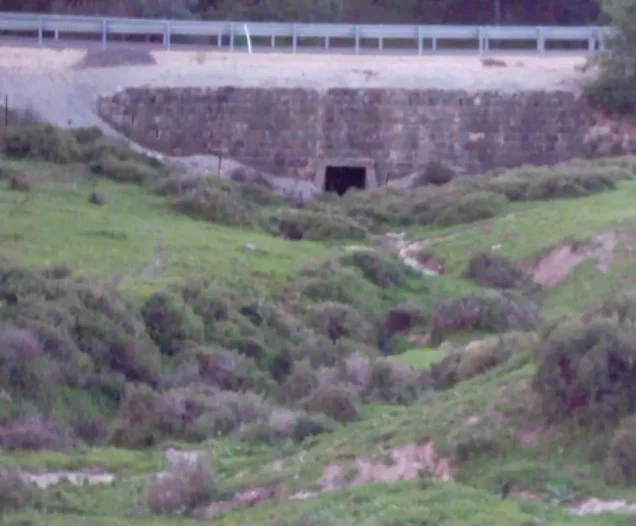
After the occupation, a number of village men were taken prisoner. Walid Khalidi, citing Benny Morris through his own account, states that thirty-seven men from 'Ayn al-Zaytun were selected at random and detained and may have been among a group of roughly seventy people later killed in a ravine between 'Ayn al-Zaytun and Safad.
Khalidi records that the killings were ordered by Moshe Kelman, commander of the Palmach's Third Battalion. He further relates that Kelman eventually assigned two men to carry them out and that the victims' bindings were removed afterward in anticipation of a Red Cross visit, concealing the fact that they had been killed while bound prisoners.
Palestinian community sources differ over the exact number of victims and some details of the massacre, including accounts that give fifty-four martyrs and additional narratives concerning the mosque. Because these accounts do not fully coincide, this article follows Khalidi's more cautious formulation and does not present a single total death toll as conclusively established.
Destruction of the Village
Several inhabitants attempted to return in the days following the occupation, but Palmach forces fired on them, killing at least one returnee according to the account reproduced by Khalidi.
On 2–3 May 1948, Palmach demolition personnel burned or blew up village houses. Khalidi records that the destruction also served to intimidate the population of nearby Safad, from where the destruction of 'Ayn al-Zaytun could be seen.
Military Unit
The force firmly associated with the occupation of 'Ayn al-Zaytun was the Palmach, the Haganah's elite force, operating during Operation Yiftach.
The battalion question requires a distinction between the overall operation and the village-specific action. The Palmach's First Battalion spearheaded Operation Yiftach generally, but Khalidi's account of the prisoners and massacre at 'Ayn al-Zaytun specifically identifies Moshe Kelman as commander of the Third Battalion, while Palestinian local documentation attributes the village assault to that battalion.
The First Battalion should therefore not automatically be described as the unit that captured 'Ayn al-Zaytun merely because it played a leading role in Operation Yiftach as a whole.
Occupation Chronology
- 3 January 1948
Early attack
One villager was killed, four houses were bombed, and gunfire continued around the village.
- 15 April 1948
Beginning of Operation Yiftach
Palmach forces began the operation to conquer eastern Galilee; Safad was one of its principal objectives.
- 1 May 1948
Attack and occupation of 'Ayn al-Zaytun
Palmach forces approached from the north after a mortar barrage and ground assault.
- 1 May 1948 and immediately afterward
Expulsion and detention
Residents were assembled, men were separated, and most civilians were expelled.
- Within the following days
Killing of prisoners
Khalidi, citing Morris, states that thirty-seven captives from 'Ayn al-Zaytun may have been among roughly seventy people killed in a ravine between the village and Safad on orders from Third Battalion commander Moshe Kelman.
- 2–3 May 1948
Burning and demolition of houses
Palmach demolition personnel burned or blew up many village buildings.
- 10–11 May 1948
Final assault on Safad
The occupation and destruction of 'Ayn al-Zaytun formed part of the military and psychological preparation for the final assault on Safad.
- 25 May 1948
End of Operation Yiftach
The operation ended after the occupation and depopulation of numerous Palestinian towns and villages in eastern Galilee.
Israeli Settlements on Village Lands
According to Walid Khalidi and PalQuest, no Israeli settlements were established on the lands of 'Ayn al-Zaytun itself.
The settlement of Ein Zeitim, founded in the late nineteenth century, was located near the village. Some secondary Palestinian sources describe it as having been established on 'Ayn al-Zaytun land or state that the village lands were later incorporated into it.
Because this conflicts with Khalidi's explicit cadastral statement that there were no Israeli settlements on village land, the latter classification is retained unless stronger land-registration evidence resolves the discrepancy.
'Ayn al-Zaytun Today
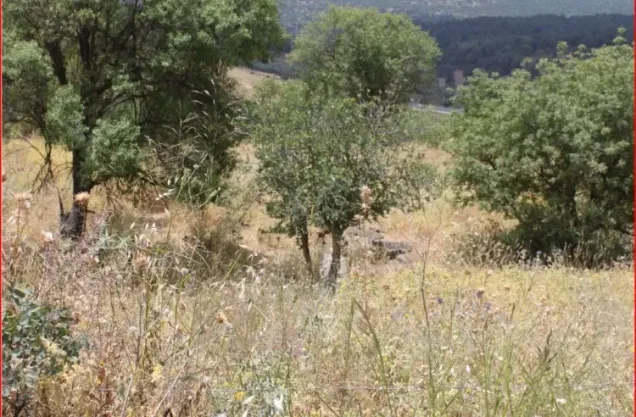
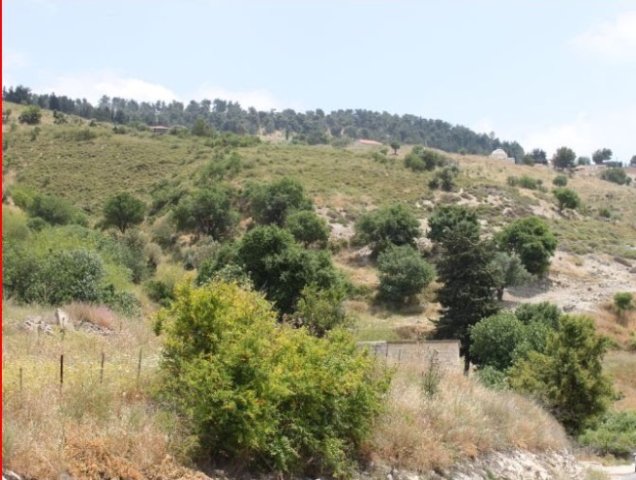
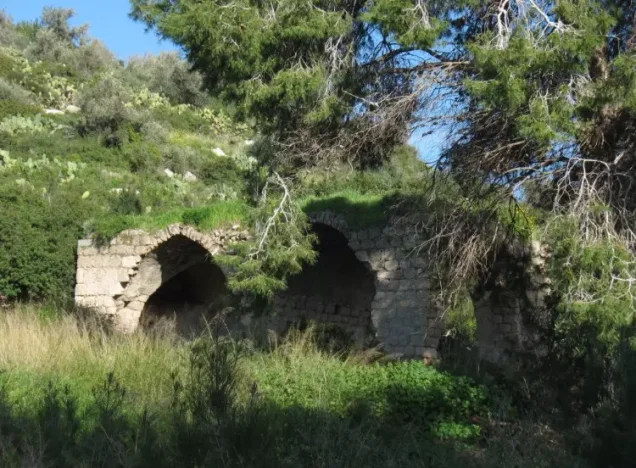
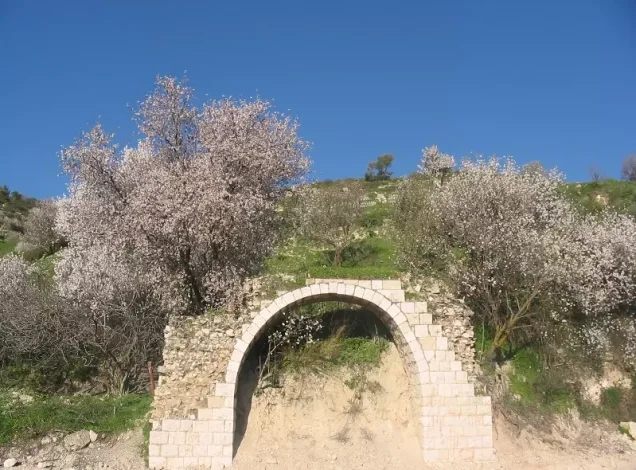
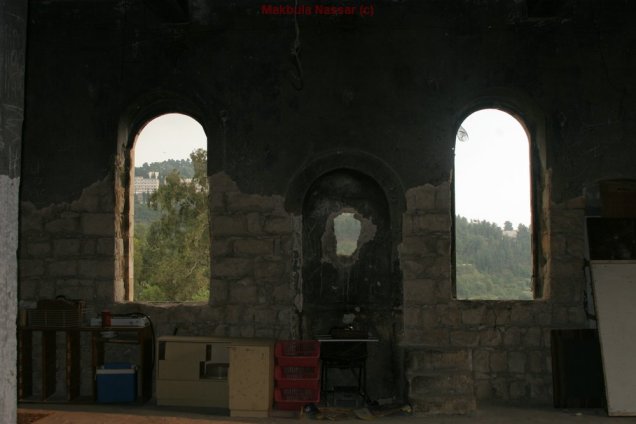
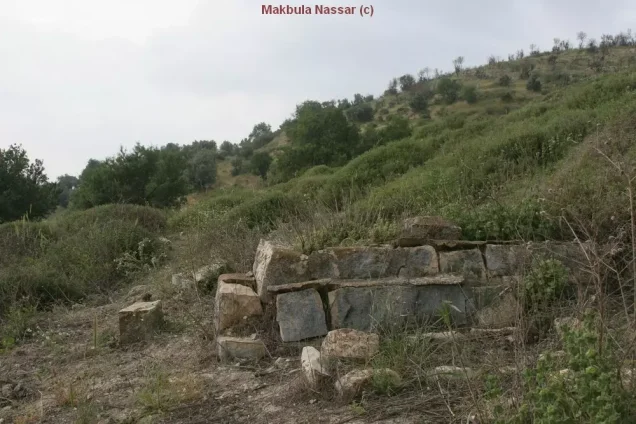
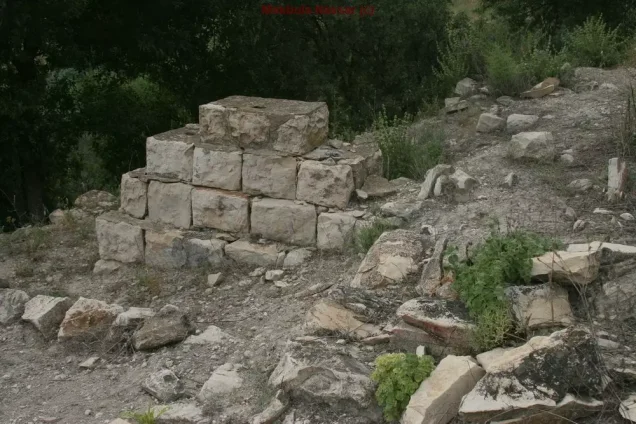
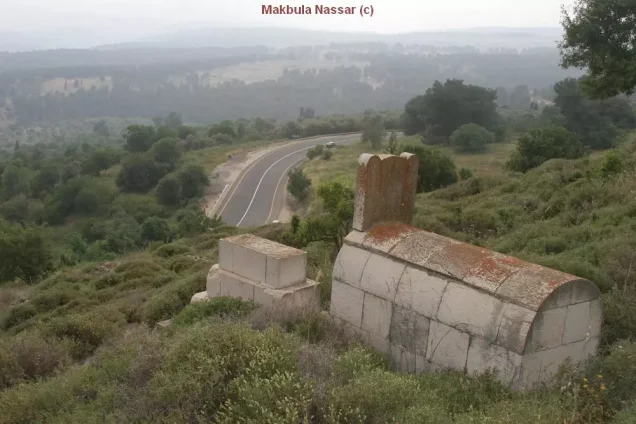
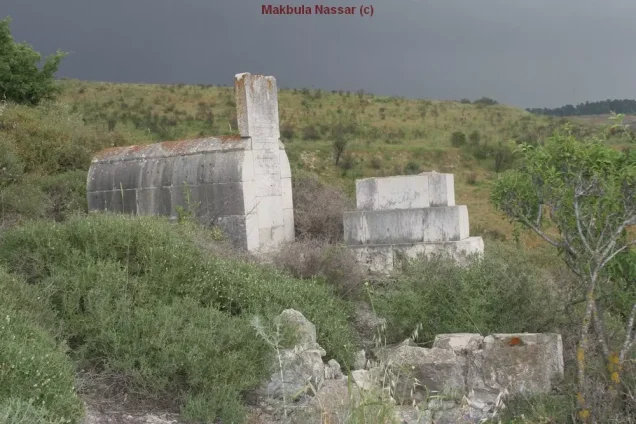
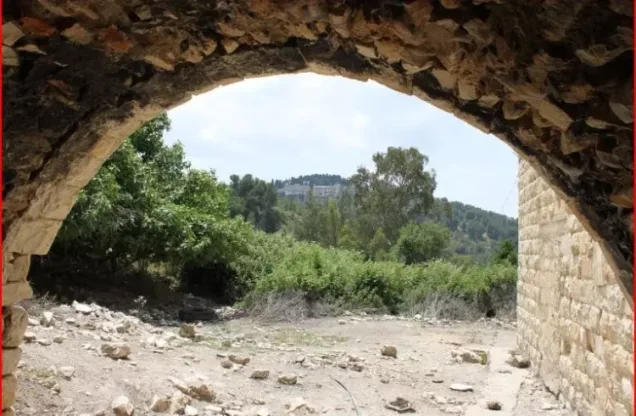
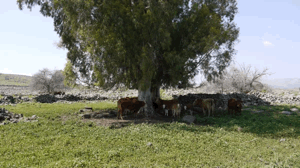
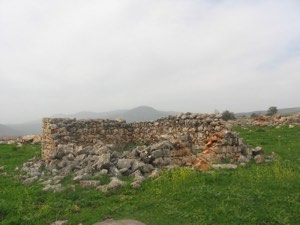
According to the field description published in Walid Khalidi's All That Remains, rubble from destroyed stone houses was scattered across the site, which had become overgrown with olive trees and cactuses.
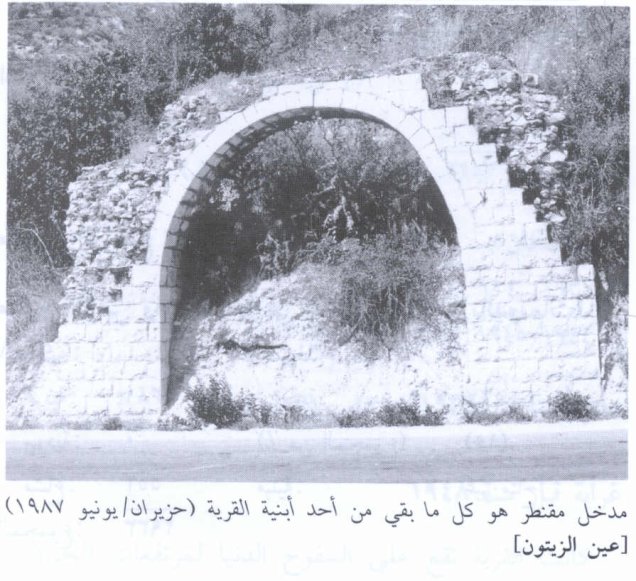
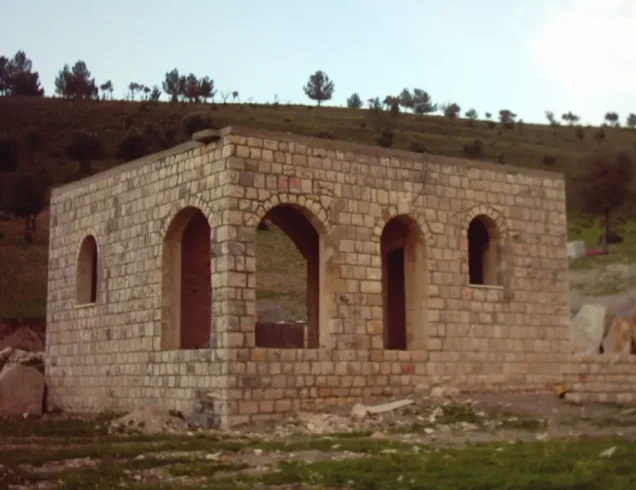
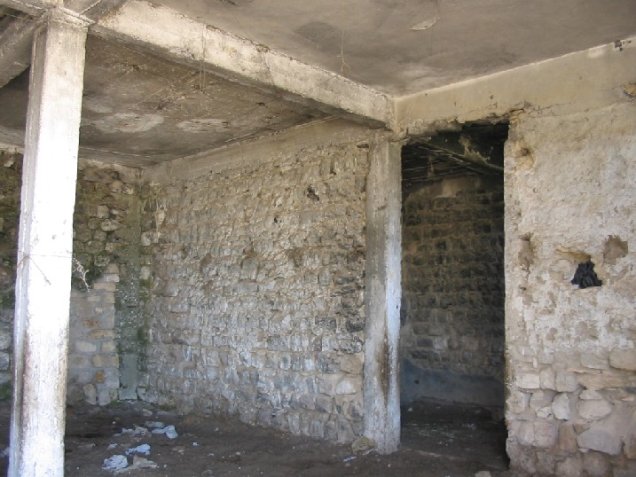
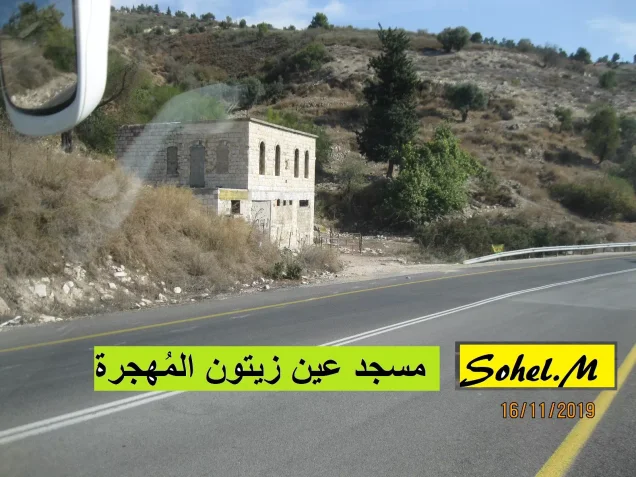
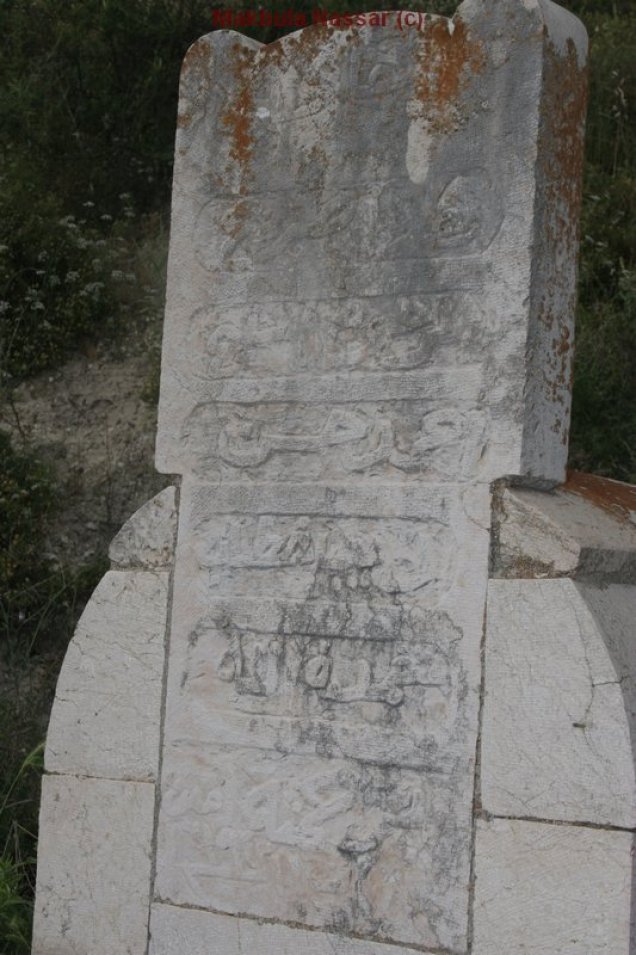
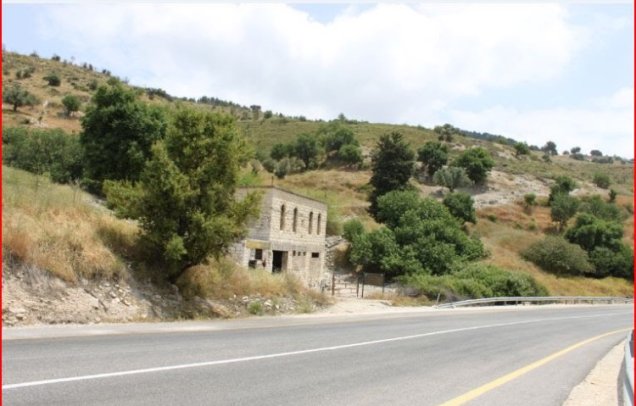
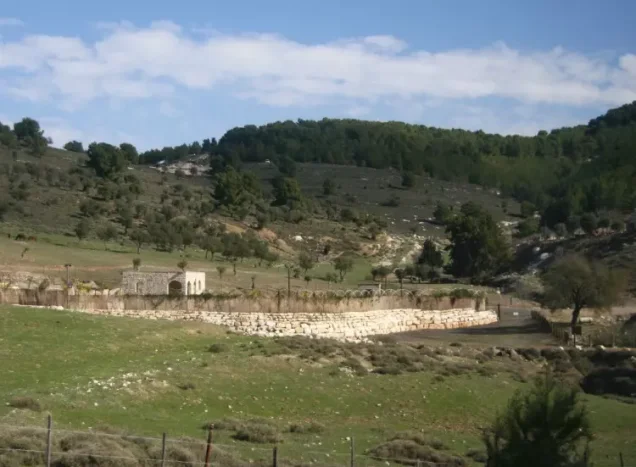
Several abandoned houses still stood at the time of the survey. Some retained arched entrances and tall windows with decorative arches. One surviving house had an Arabic inscription carved into a smooth stone above its entrance arch. The village well and spring also remained.
This description comes from the fieldwork for All That Remains, carried out between 1987 and 1990, and should not be presented as a comprehensive survey of the site in 2026. Palestine Remembered also hosts later community documentation identified as a 2019 visit to the mosque and spring, suggesting that some village landmarks remained recognizable at that time, but this does not constitute a comprehensive contemporary field survey.
Sources
- PalQuest – Interactive Encyclopedia of the Palestine Question: 'Ayn al-Zaytun
- PalQuest – Operation Yiftach
- Palestine Remembered – 'Ayn al-Zaytun, Safad District
- Palestinian Encyclopedia – 'Ayn al-Zaytun
- Palestinian Villages Encyclopedia – 'Ayn al-Zaytun; supporting community documentation
- Institute for Palestine Studies – Walid Khalidi, All That Remains
- PalQuest – All That Remains: Methodology
Photo gallery


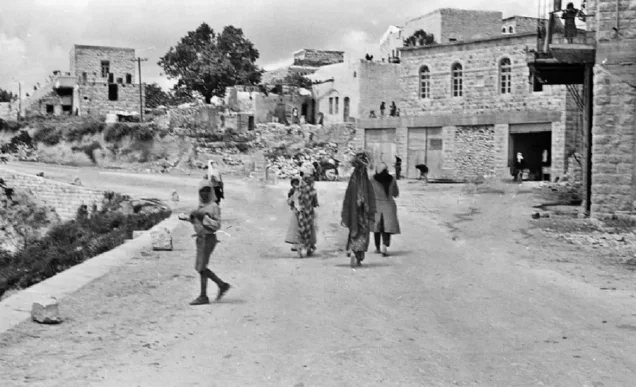




Photos from the village's people
Photos sent in by visitors and published after review.
Add a photo of this village
Log in to add photos of this village.
Other villages from Safed
More from the archive
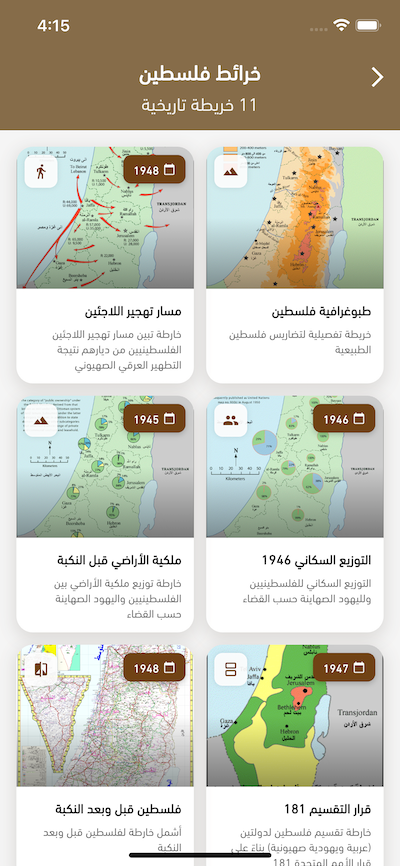
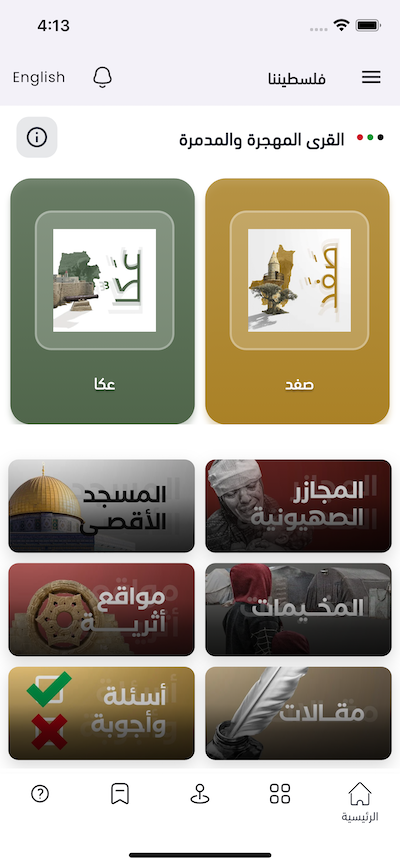
 Download Our Palestine App
The whole archive in the palm of your hand: depopulated villages, the Nakba, the massacres and Al-Aqsa — free, with no ads to erase the story.
Download Our Palestine App
The whole archive in the palm of your hand: depopulated villages, the Nakba, the massacres and Al-Aqsa — free, with no ads to erase the story.
Comments
No comments yet — be the first to write one.
Add your comment
Name and email are optional. Comments appear after review.