Palestinian Writer Najib Nassar Launches the Anti-Zionist Newspaper Al-Karmil
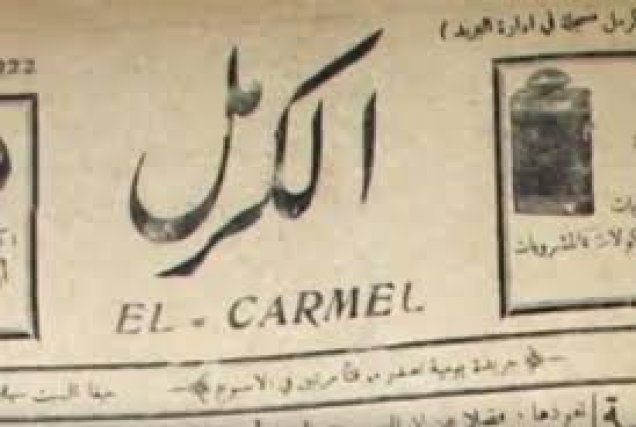
Palestinian Writer Najib Nassar Launches the Anti-Zionist Newspaper Al-Karmil
The Palestinian newspaper Al-Karmil was founded in Haifa in 1908 by journalist and writer Najib Nassar. It became one of the most prominent early platforms of the Palestinian press and one of the first newspapers to systematically and consistently warn of the consequences of Zionist settlement and land acquisition in Palestine.
The newspaper addressed political and social issues, with particular attention to protecting Palestinian land from brokers and agents involved in land purchases on behalf of the Zionist movement. It also focused on the conditions and rights of Palestinian peasants and rural communities, reflecting an early awareness of the importance of land to the life and future of Palestinian society.
Najib Nassar and the Early Palestinian Response to Zionism
Najib Nassar was among the earliest Palestinian intellectuals and journalists to study Zionism systematically and to introduce Palestinian society to its political and settlement-related objectives and their potential consequences for the land and its inhabitants.
Nassar became closely acquainted with the effects of Zionist settlement on Palestinian peasants through his work in agriculture and his ownership of land in the Tiberias region. After founding Al-Karmil, he turned its pages into a permanent platform for monitoring Zionist activity and warning against the transfer of Palestinian land to Zionist institutions and settlers.
He published a series of articles on Zionism that he later collected, in October 1911, into a book entitled Zionism: Its History, Purpose, and Importance. Part of the material drew on what the Jewish Encyclopedia itself had published about the Zionist movement, with the aim of introducing Arab readers to the movement’s ideas and programs through its own sources.
Nassar urged Arab landowners to preserve their land and refrain from transferring it to Zionists. He believed that protecting Palestine could not be limited to political rhetoric alone, but also required strengthening the agricultural, economic, and educational conditions of the population and organizing society politically.
In 1913, he called for the establishment of a “National Association” based in Nablus, whose objective, as he envisioned it, was to “preserve the country for its people” by developing their agricultural, economic, and educational affairs and strengthening social solidarity among them.
Conflict with the Ottoman Authorities
In the early stages of his political activity, Najib Nassar supported the new constitutional period that followed the restoration of the Ottoman Constitution in 1908. He later became increasingly critical of the Ottoman authorities, particularly because of political restrictions and the persecution of Arab nationalists.
His journalistic positions repeatedly brought him into conflict with the authorities. In June 1909, the Ottoman authorities suspended Al-Karmil for two months. In 1910, the Ministry of Justice in Istanbul ordered that he be prosecuted on accusations that his writings were provoking division and incitement, but the court ultimately acquitted him of the charge.
As political tensions intensified in the years preceding the First World War, the newspaper faced further restrictions and interruptions. During the war, the Ottoman authorities pursued Nassar because of his opposition to the policies of Jamal Pasha, forcing him into hiding and to move secretly through several areas of Palestine and Transjordan before returning as Ottoman rule approached its end.
Al-Karmil During the British Mandate
Following the British occupation of Palestine, Najib Nassar resumed publication of Al-Karmil and continued using it to oppose Zionist settlement, warn against the sale of land, and call for the political and economic organization of Palestinians and Arabs.
During the Mandate period, the newspaper became a platform for criticizing both the Zionist project and British colonial policy in Palestine. Nassar argued that British policies were creating the political and institutional conditions that enabled the Zionist project to expand, while the Palestinian majority was denied its right to self-determination and to establish a national government representing its people.
In 1934, the newspaper was renamed Al-Karmil al-Jadid (The New Al-Karmil), and it continued its opposition to Zionism and the British Mandate.
The newspaper was also subjected to repeated political and financial pressures. Sources differ over the exact date of its final closure. Some accounts indicate that it ceased publication in 1942 because of financial hardship and political conditions, while Palestinian sources state that the British Mandate authorities suspended it several times before finally shutting it down in 1944 under the emergency regulations and martial-law measures imposed during the Second World War.
Sadhij Nassar and Her Role in Al-Karmil
The involvement of Sadhij Nassar became an important part of the newspaper’s later history. In addition to participating in its editing and administration, she focused on women’s issues, social affairs, and national activism, becoming one of the pioneers of Palestinian women’s political and social activity.
In 1938, the British Mandate authorities arrested her on charges of assisting Palestinian rebels during the Great Palestinian Revolt. British authorities described her in their documents as a “very dangerous” figure and a “prominent agitator.” She remained imprisoned for approximately eleven months, becoming one of the earliest Palestinian women to be detained because of her national political activity.
Al-Karmil as a Voice in Defense of Palestine
The historical importance of Al-Karmil lies not only in its status as one of the early Palestinian newspapers, but also in the role it played in shaping an early Palestinian political consciousness regarding Zionism, settlement, and the transfer of land ownership.
At a time when Zionist institutions were expanding their activities in immigration, land acquisition, and the establishment of settlements, Najib Nassar used journalism to warn Palestinian society about the long-term consequences of losing control over the land.
He called on Palestinians to strengthen their agricultural and economic position, resist the transfer of land to Zionists, organize politically, and understand Zionism not simply as a movement of Jewish immigration to Palestine, but as a movement with political and territorial objectives connected to the future of the country.
Through Al-Karmil, the Palestinian press became an early arena of political and intellectual resistance decades before the confrontation over Palestine reached the stage that culminated in the Palestinian Nakba of 1948.
Najib Nassar died on March 3, 1948, only weeks before Zionist forces occupied the city of Haifa and the village of Balad al-Shaykh, where he had been living. He therefore did not live to witness the Nakba later that same year, when hundreds of thousands of Palestinians were displaced and hundreds of Palestinian villages and towns were destroyed or emptied of their inhabitants — developments that, on a much broader scale, embodied many of the dangers he had warned against throughout decades of journalistic and political work.
Sadhij Nassar herself became a refugee after the Nakba and moved first to Lebanon and later to Syria, where she continued writing about Palestine and the fate of its people.
Some later Palestinian accounts state that the name Al-Karmil was relaunched in electronic form in 2011, decades after the original newspaper had ceased publication.
More from the archive


 Download Our Palestine App
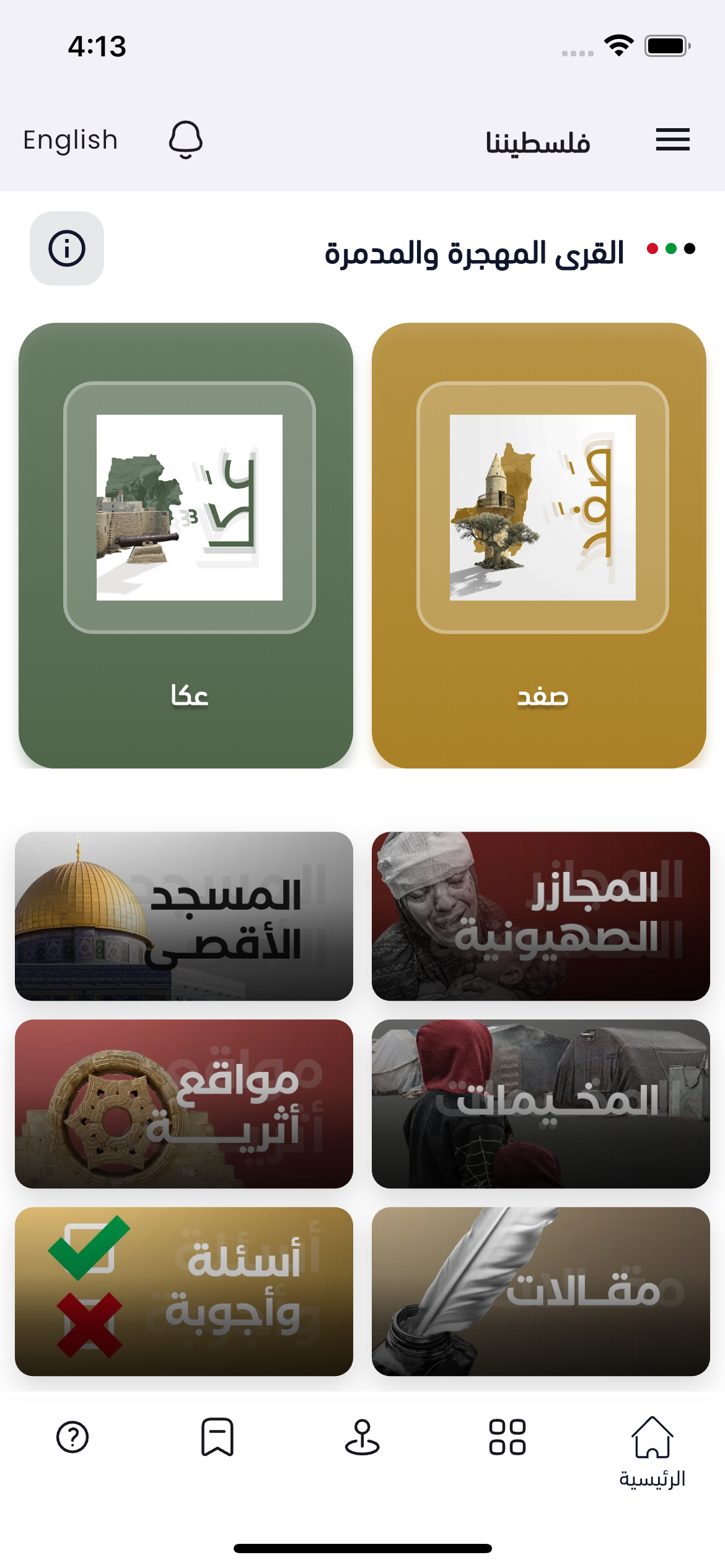
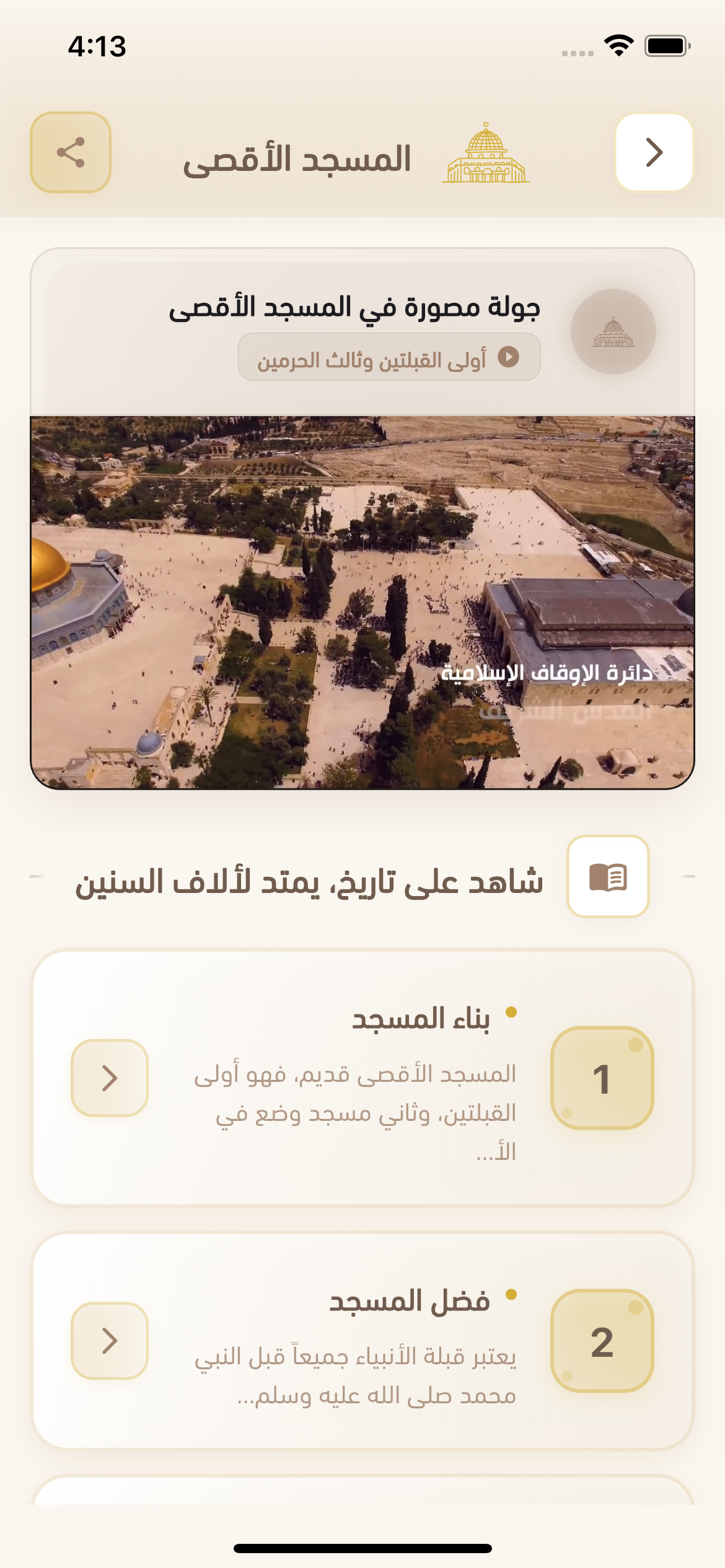
The whole archive in the palm of your hand: depopulated villages, the Nakba, the massacres and Al-Aqsa — free, with no ads to erase the story.
Download Our Palestine App
The whole archive in the palm of your hand: depopulated villages, the Nakba, the massacres and Al-Aqsa — free, with no ads to erase the story.
Comments
No comments yet — be the first to write one.
Add your comment
Name and email are optional. Comments appear after review.