The encyclopedia in the palm of your hand
A homeland memory that cannot be erased
The encyclopedia of Palestinian memory. It opens in the dark, in exile, and in the house whose key is still in the pocket. Free. No ads that erase the story.
Available on iPhone and Android
What Our Palestine App is
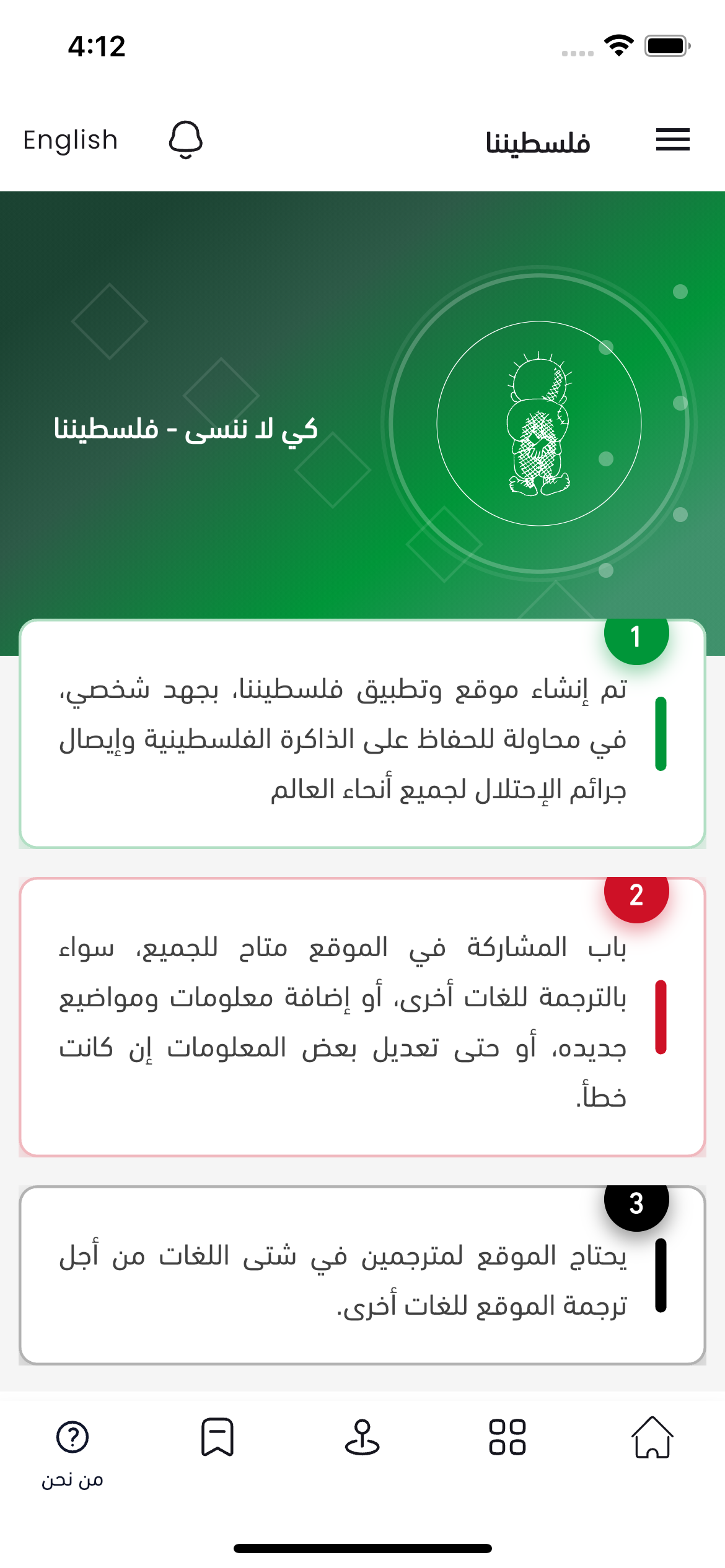
Our Palestine App was built as a personal effort to keep Palestinian memory alive and to carry the story to those the large screen does not reach.
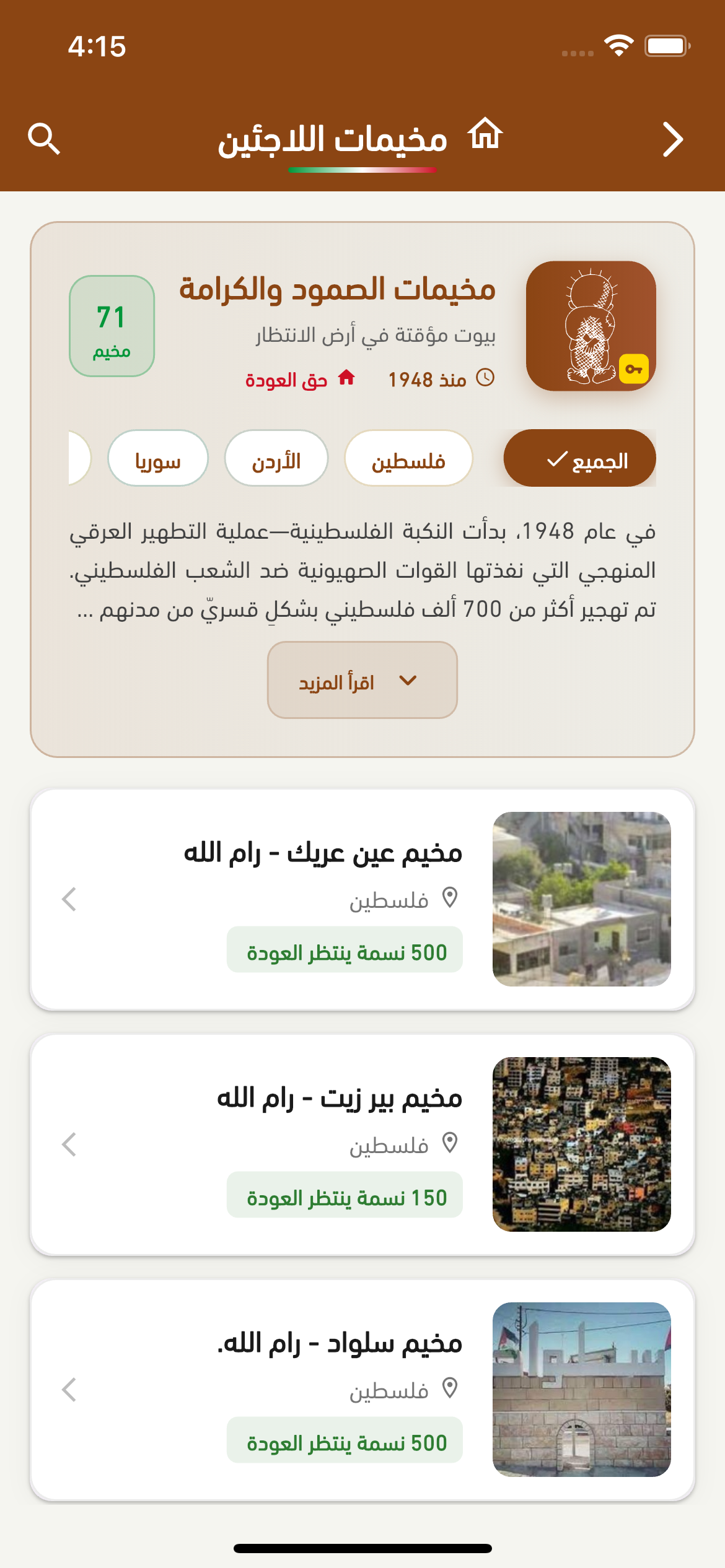
Here the depopulated villages open by name and photograph, as they were before they were erased from the map. The Nakba file: Palestine before and after, land, massacres, and the terms that entered history. The camps that still wait to return. Al-Aqsa stone by stone. The Gaza archive, so that what happened is not denied.
With them: maps of expulsion and partition, live statistics of violations, settlements, and demolitions, a library of video and articles, a calendar of events, and a quiz that tests your memory. Twenty-three doors in one app. Free. No ads that erase the story.
The website remains the wider archive for slow reading. The app is the companion on the road: on the bus, in the camp, in exile, and in the house whose key is still in the pocket.
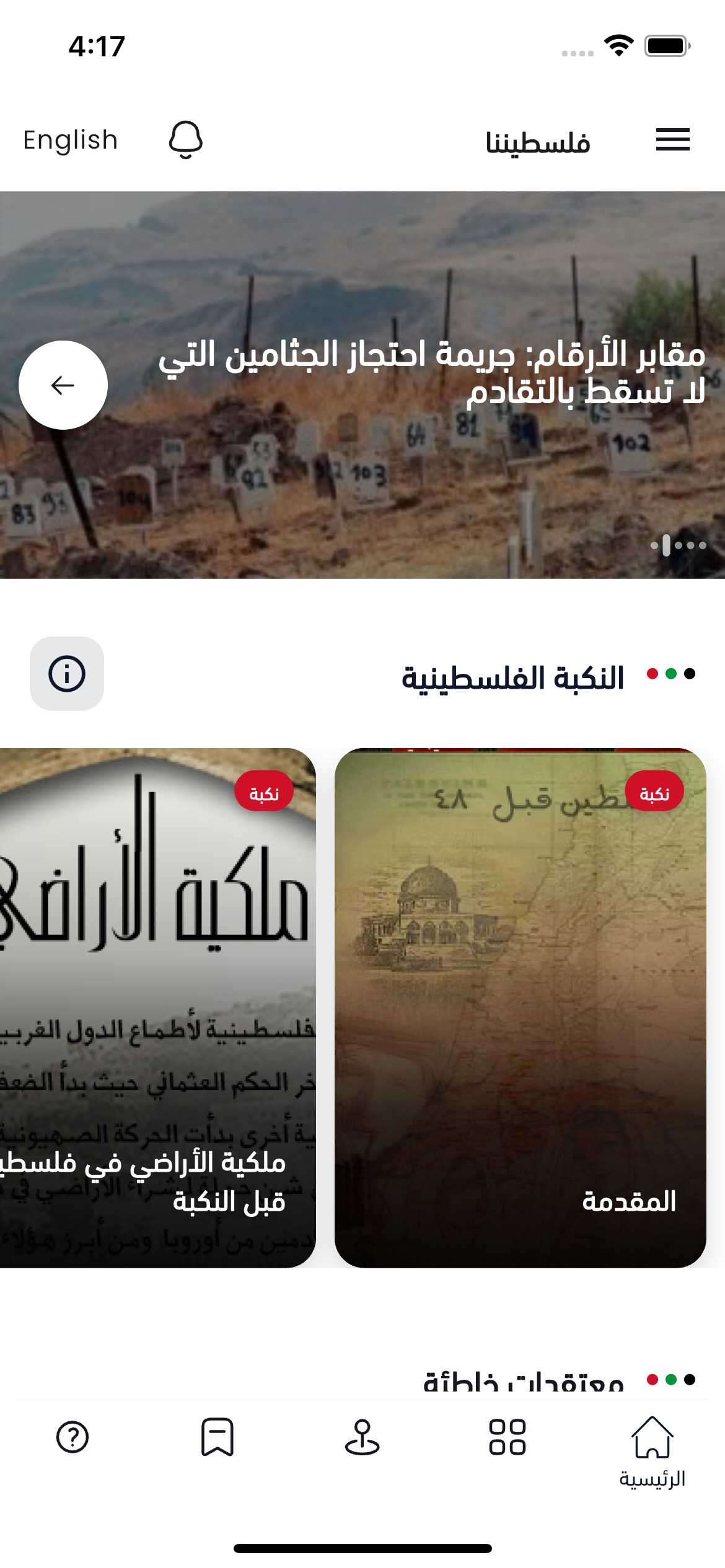
Doors of the encyclopedia
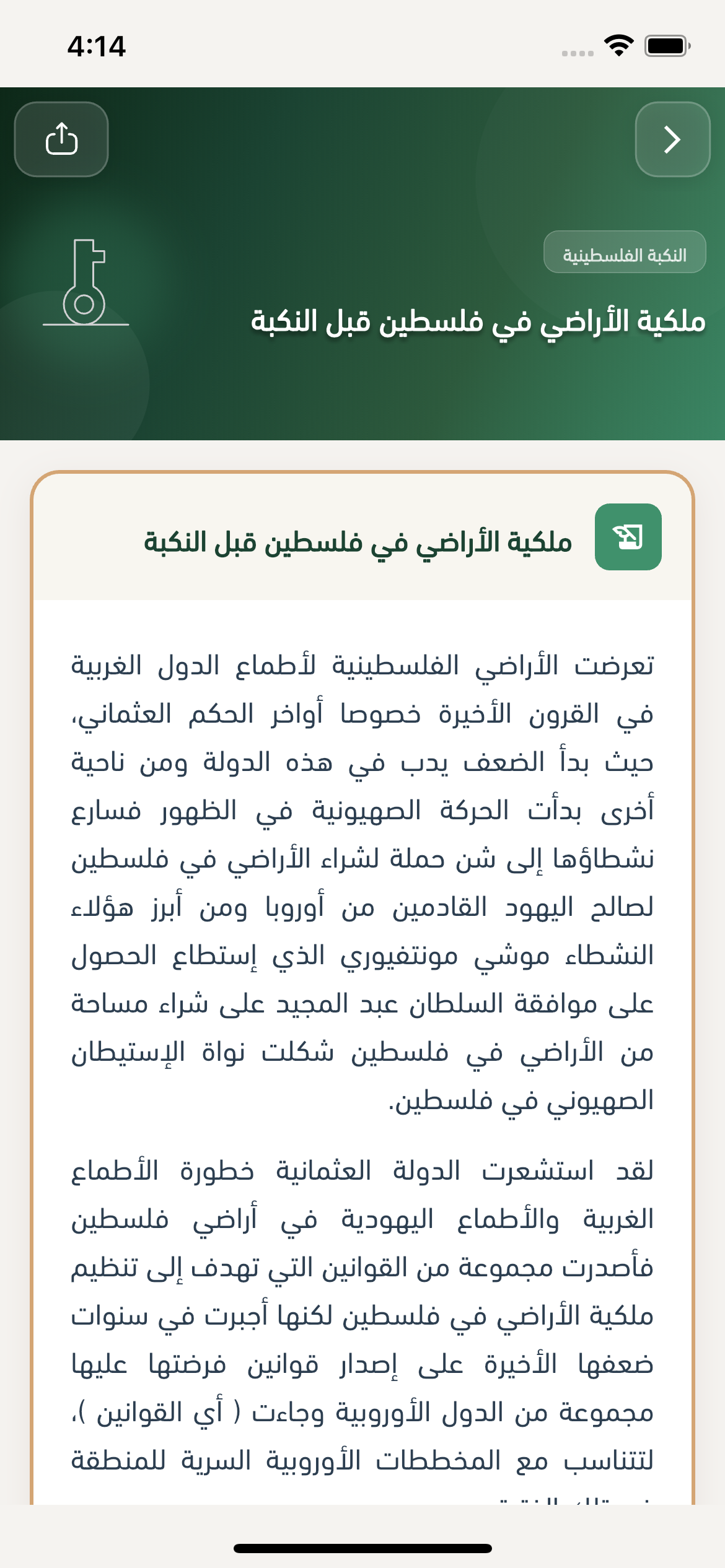
The homeland that was, then the Nakba that did not end. The main door leads to the villages, the massacres, and the terms.
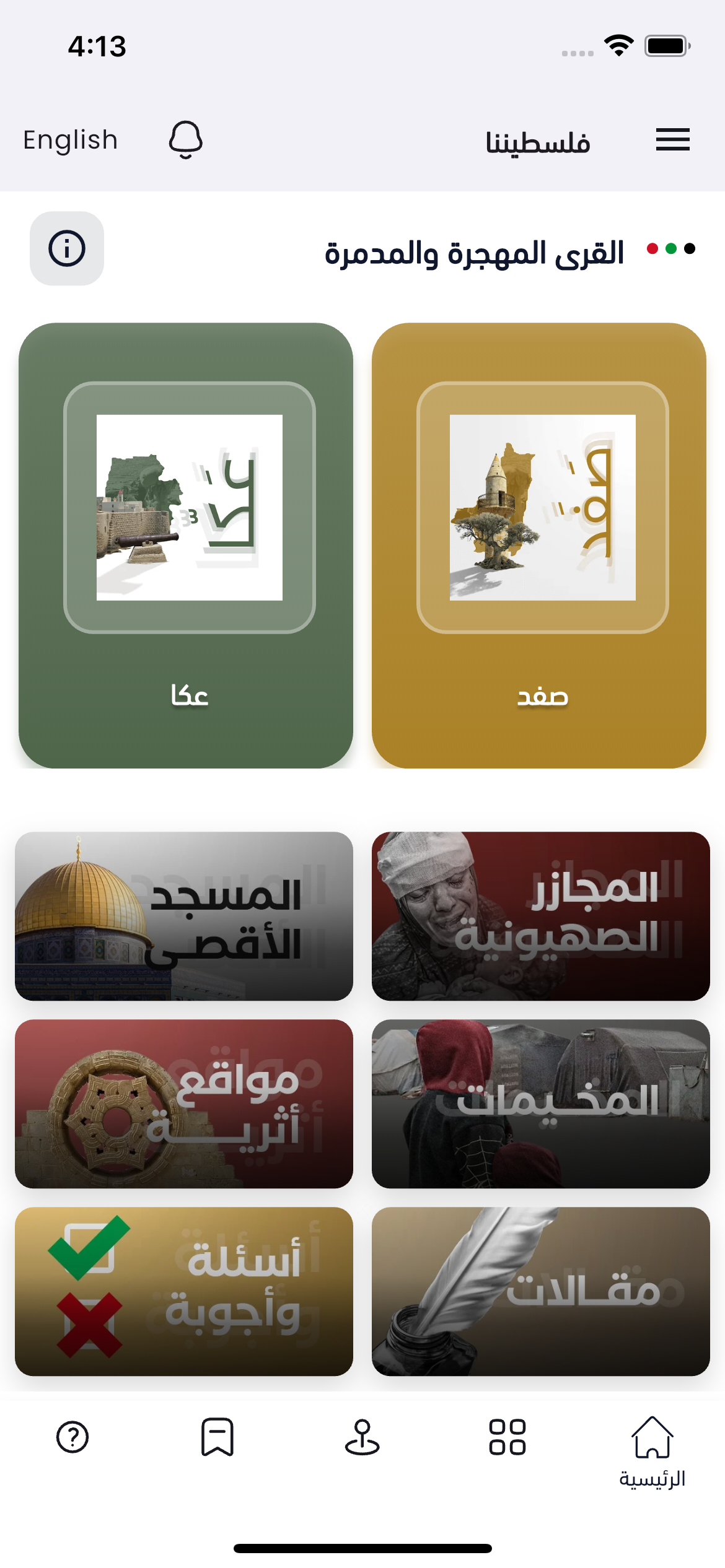
The districts of Palestine and their depopulated villages, pictured and named as they were before the road sign was replaced.
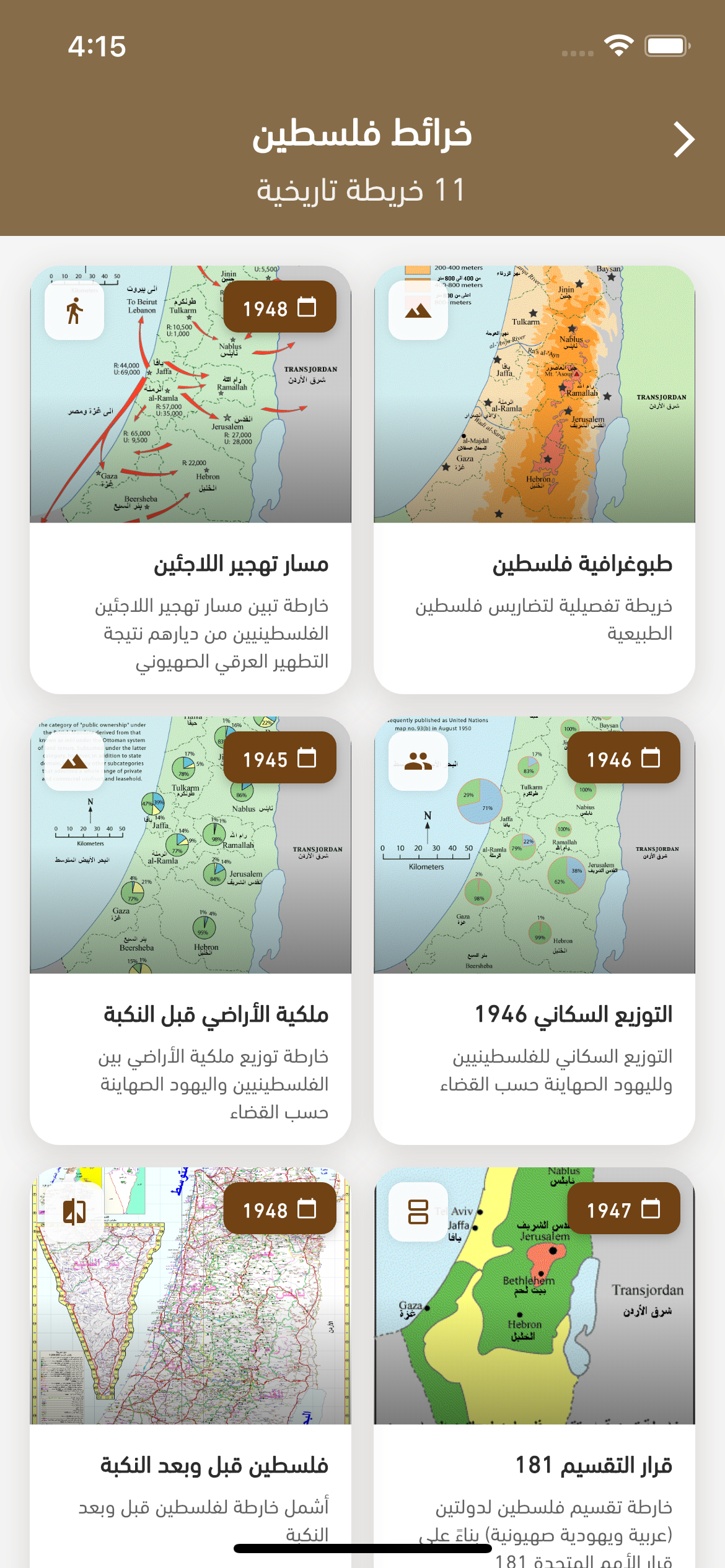
Land ownership, expulsion routes, and partition: historical maps read in the palm, not on a wall.
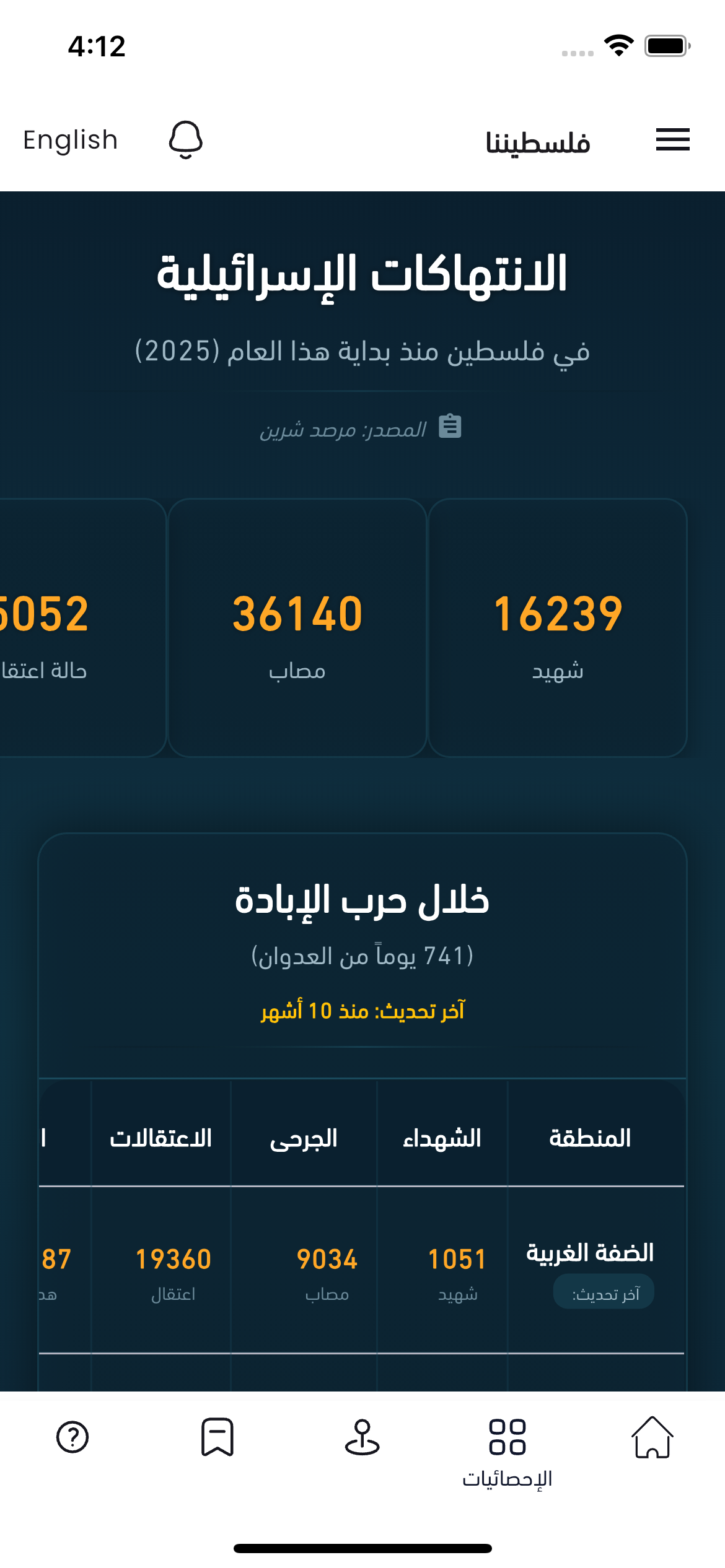
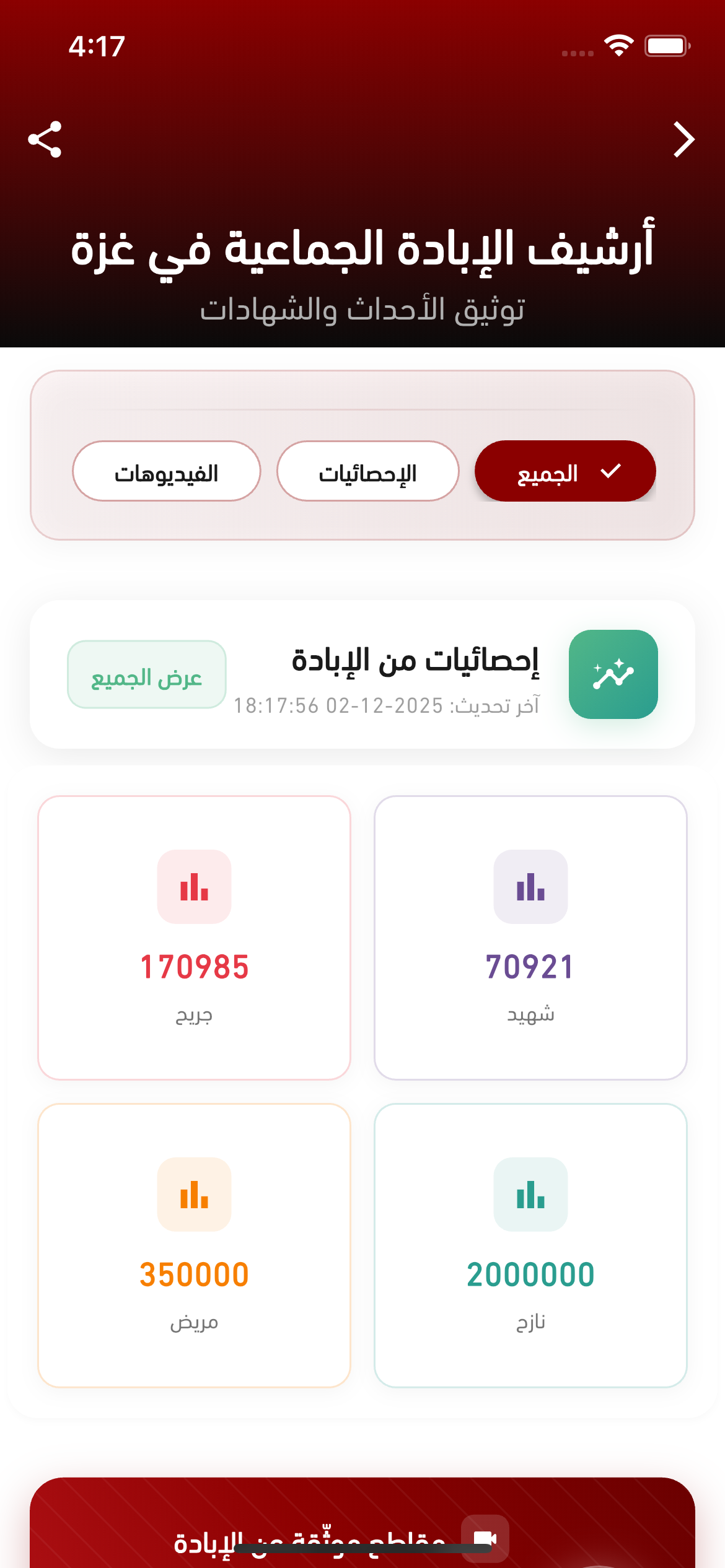
Violation figures updated daily: martyrs, wounded, arrests, and destruction. So no one can say they did not know.
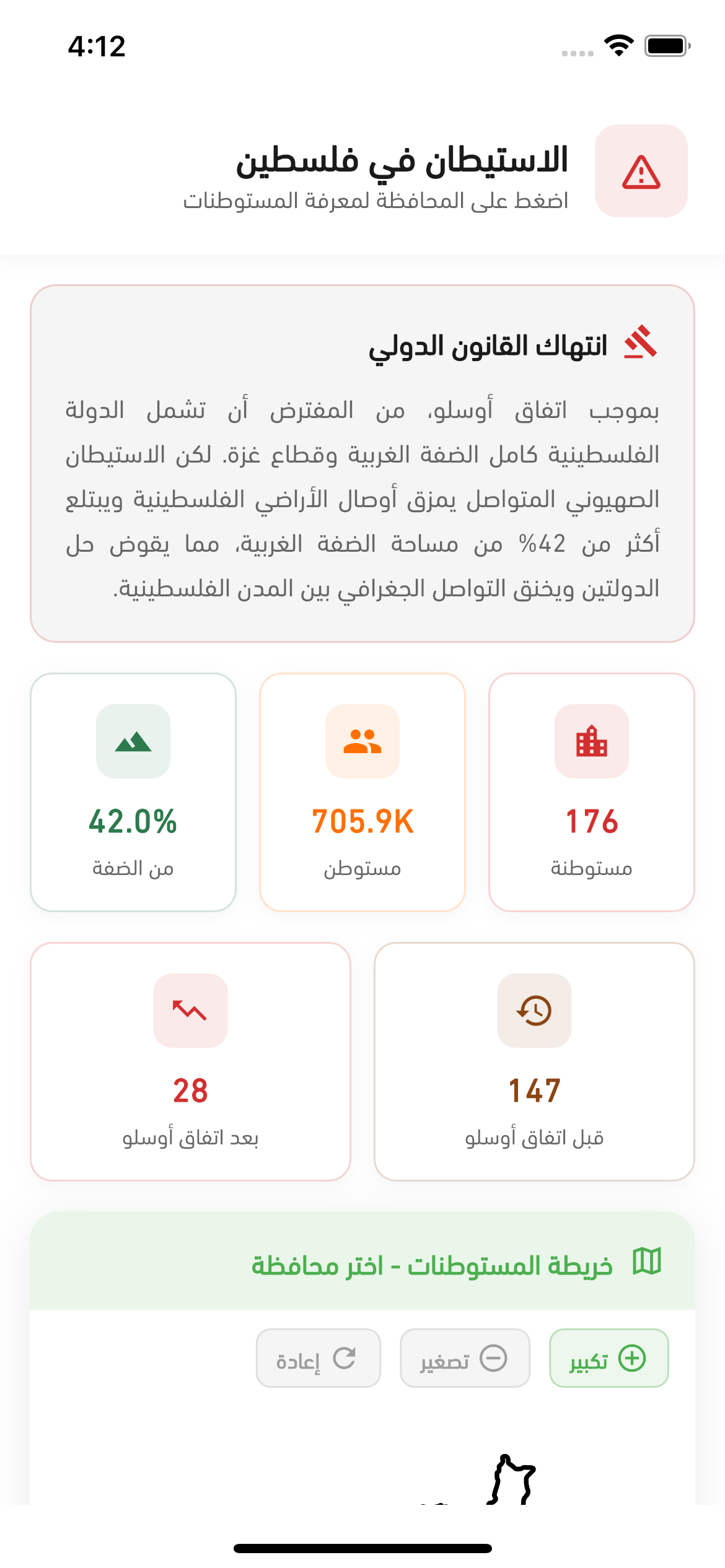
Settlement outposts spread across the map: colonies, posts, and roads. Figures that stay open on stolen land.
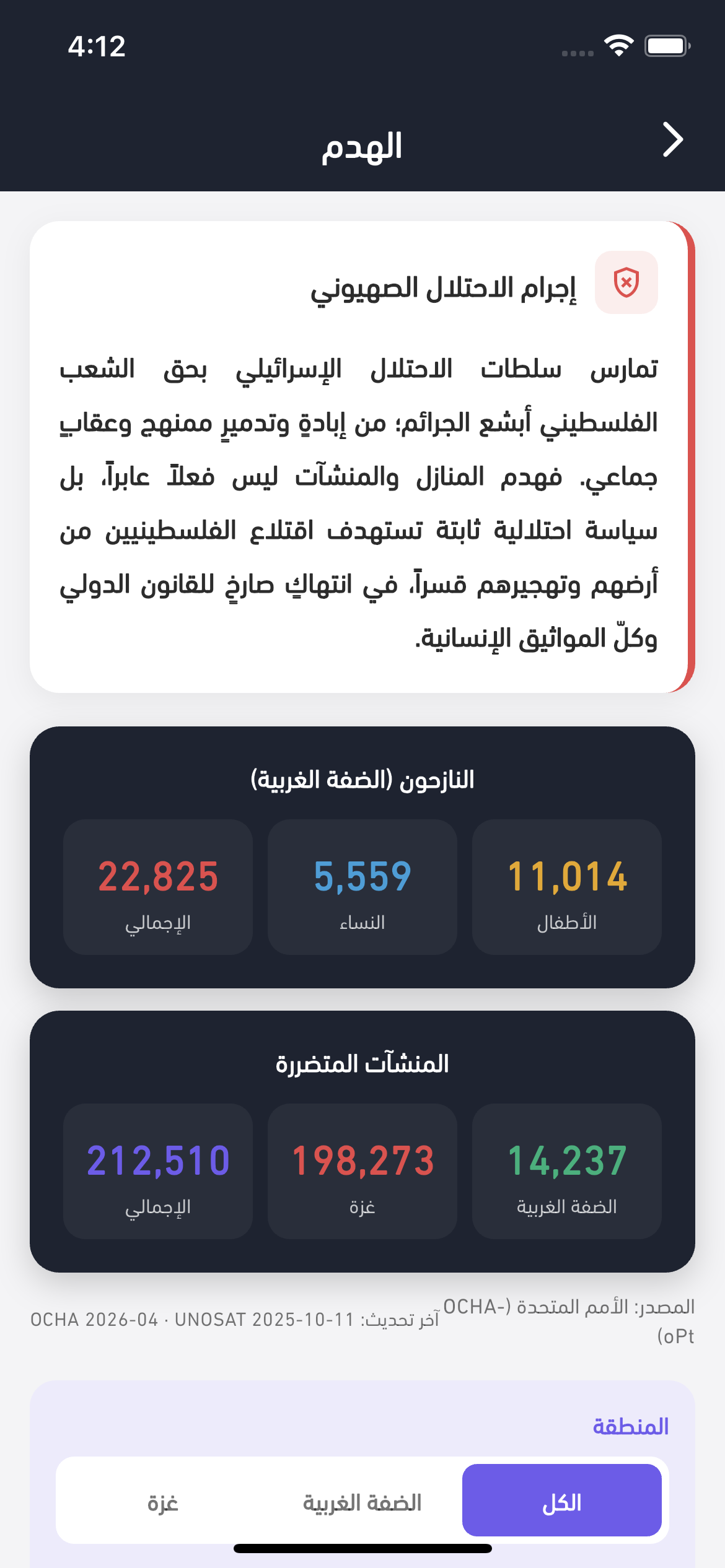
Homes demolished in Gaza and the West Bank: a record kept updated so what happened stays documented, and those who lost a roof are not forgotten.
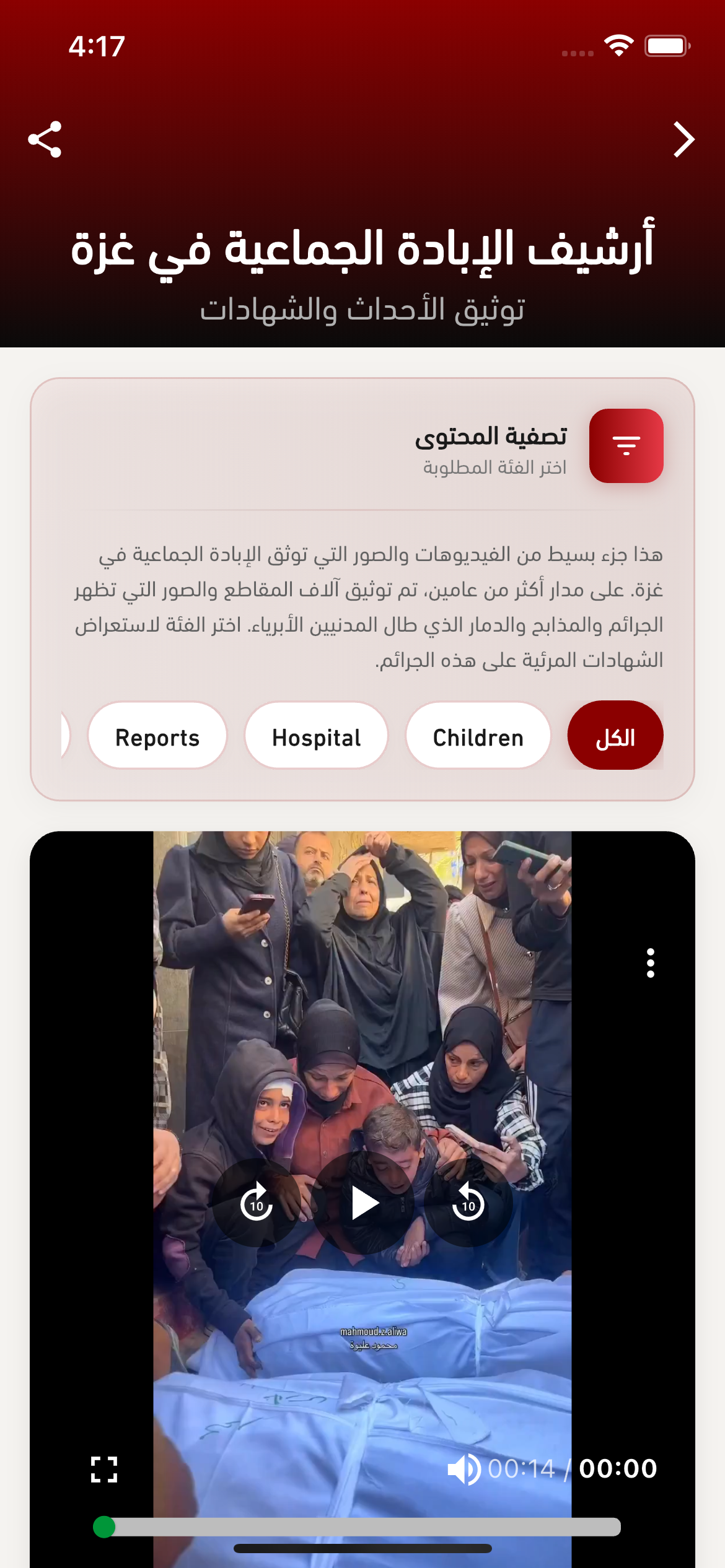
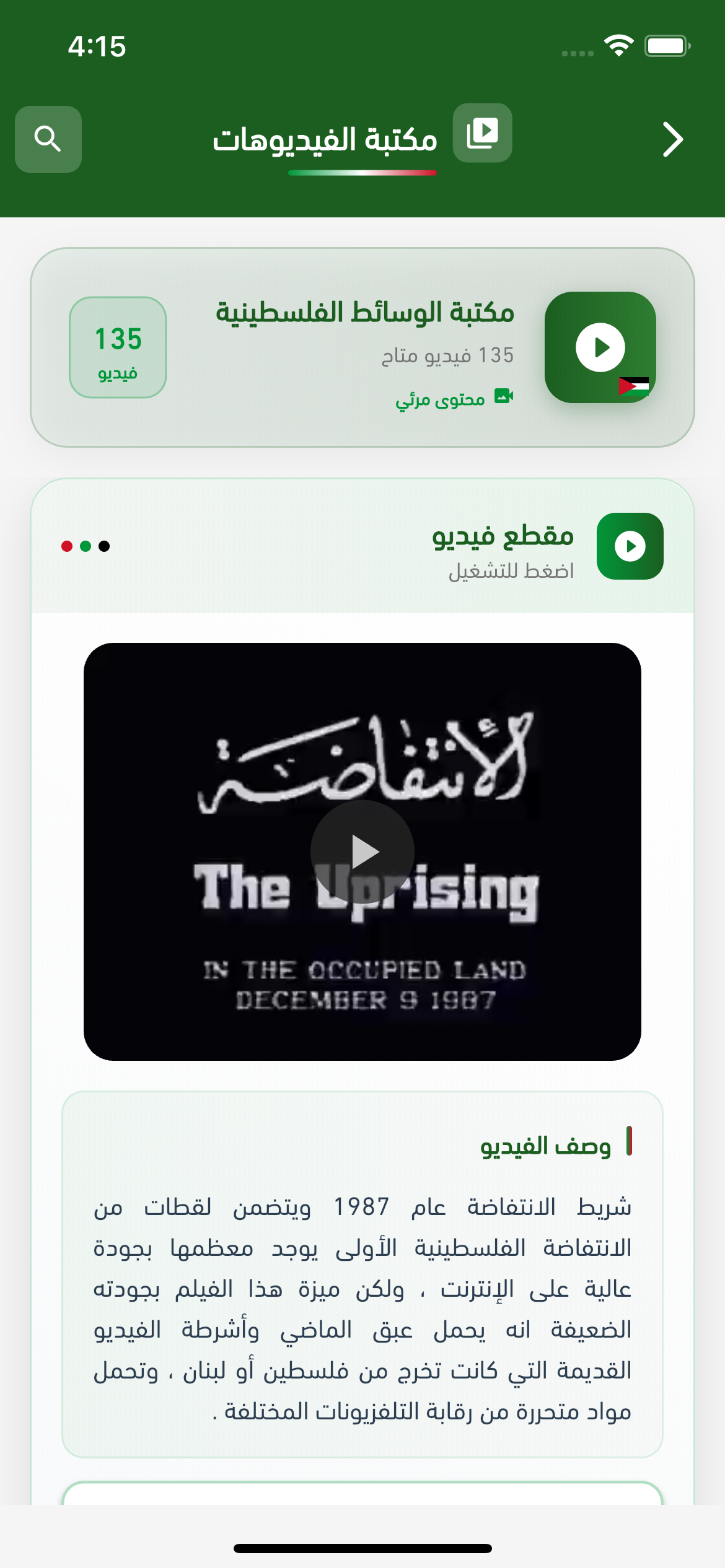
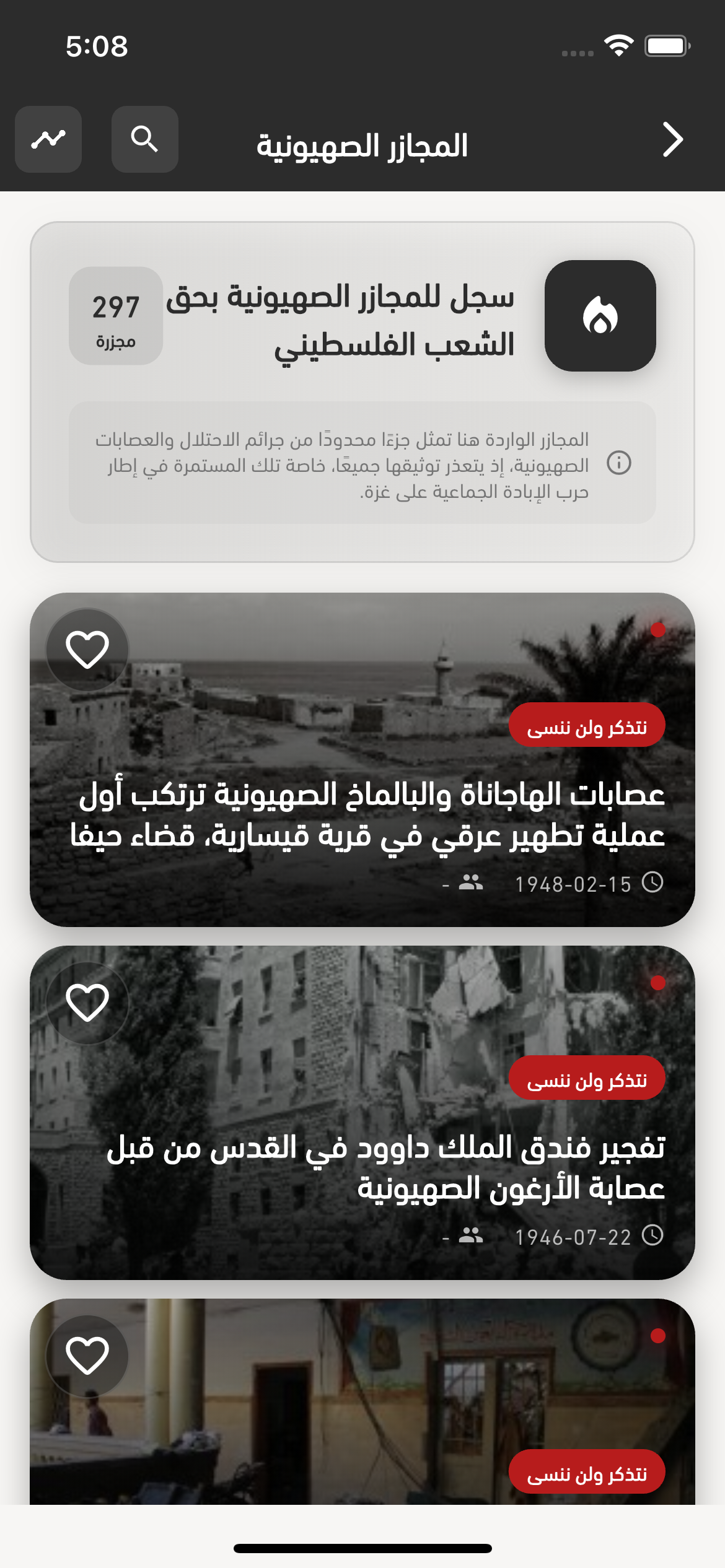
Filmed testimonies and genocide statistics. So that what happened stays visible, and those who were killed stay named.
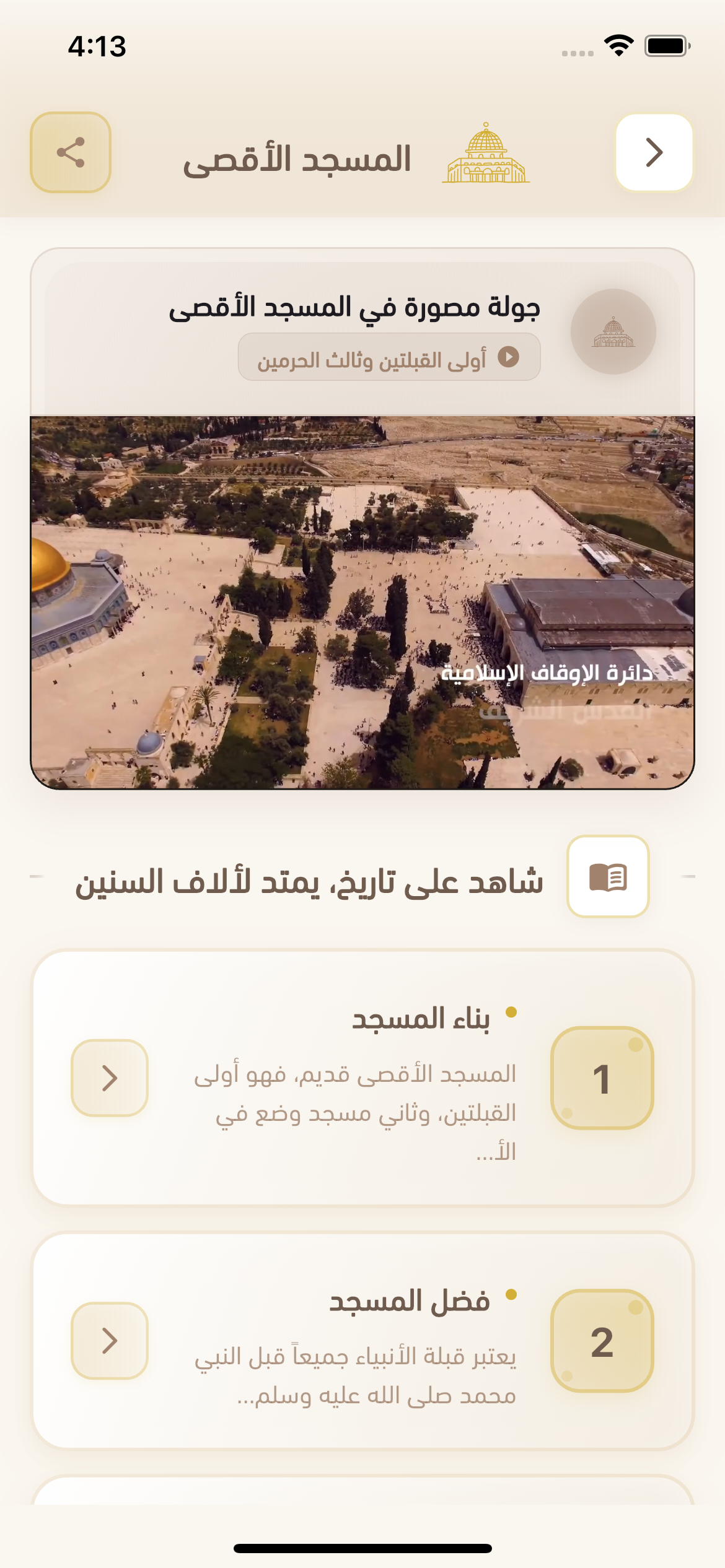
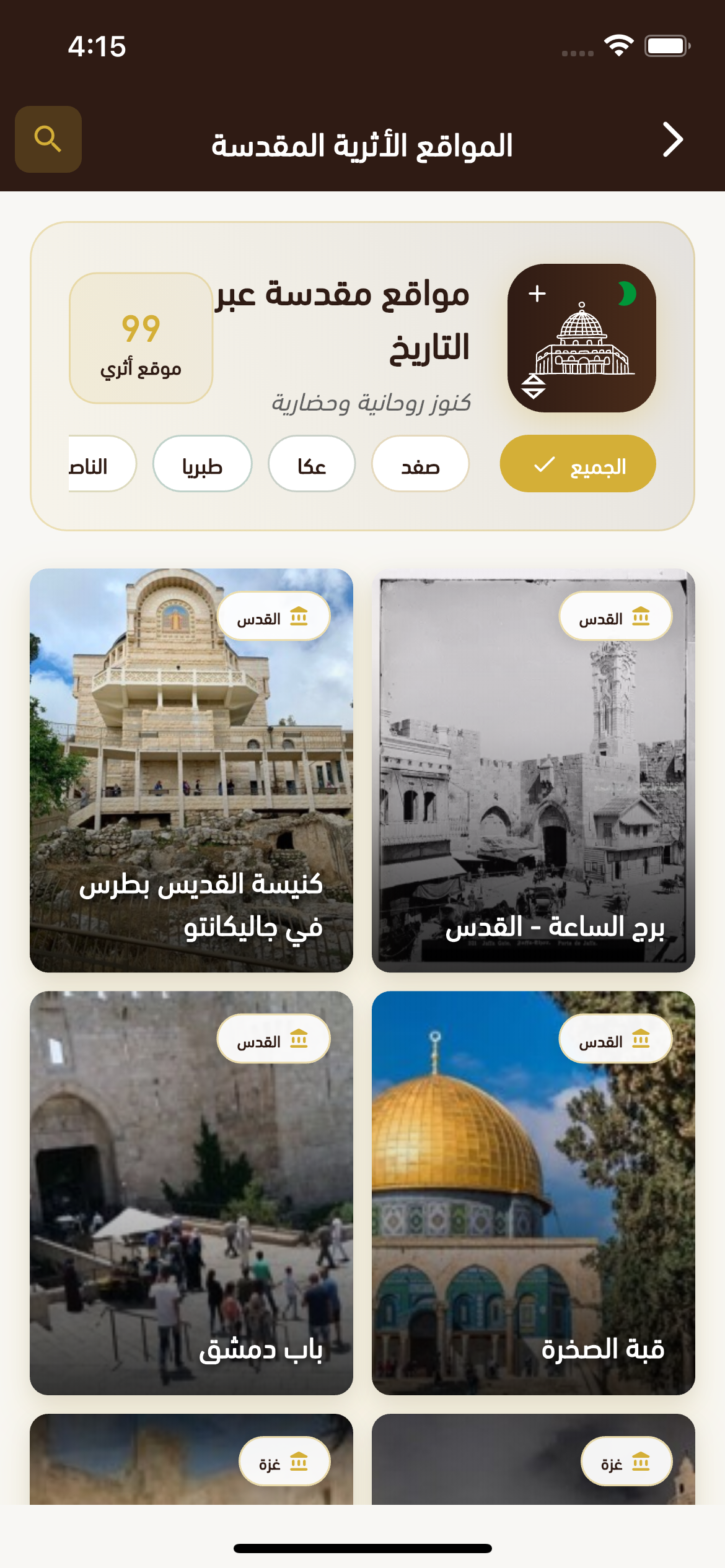
The first qibla: its building, virtue, landmarks, and the moments that threaten its foundations.
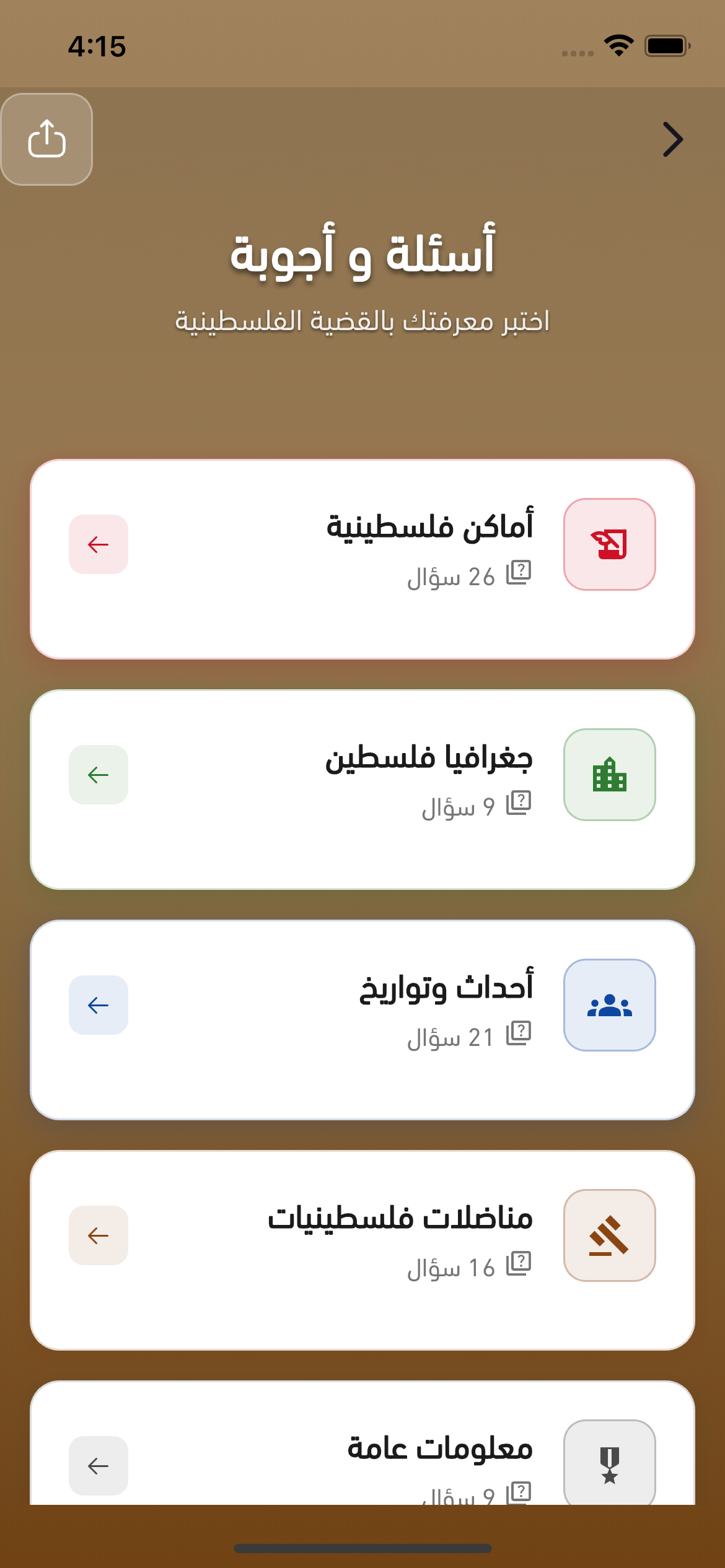
Questions about places, geography, and events. Knowledge here is not a luxury; it is resistance to forgetting.
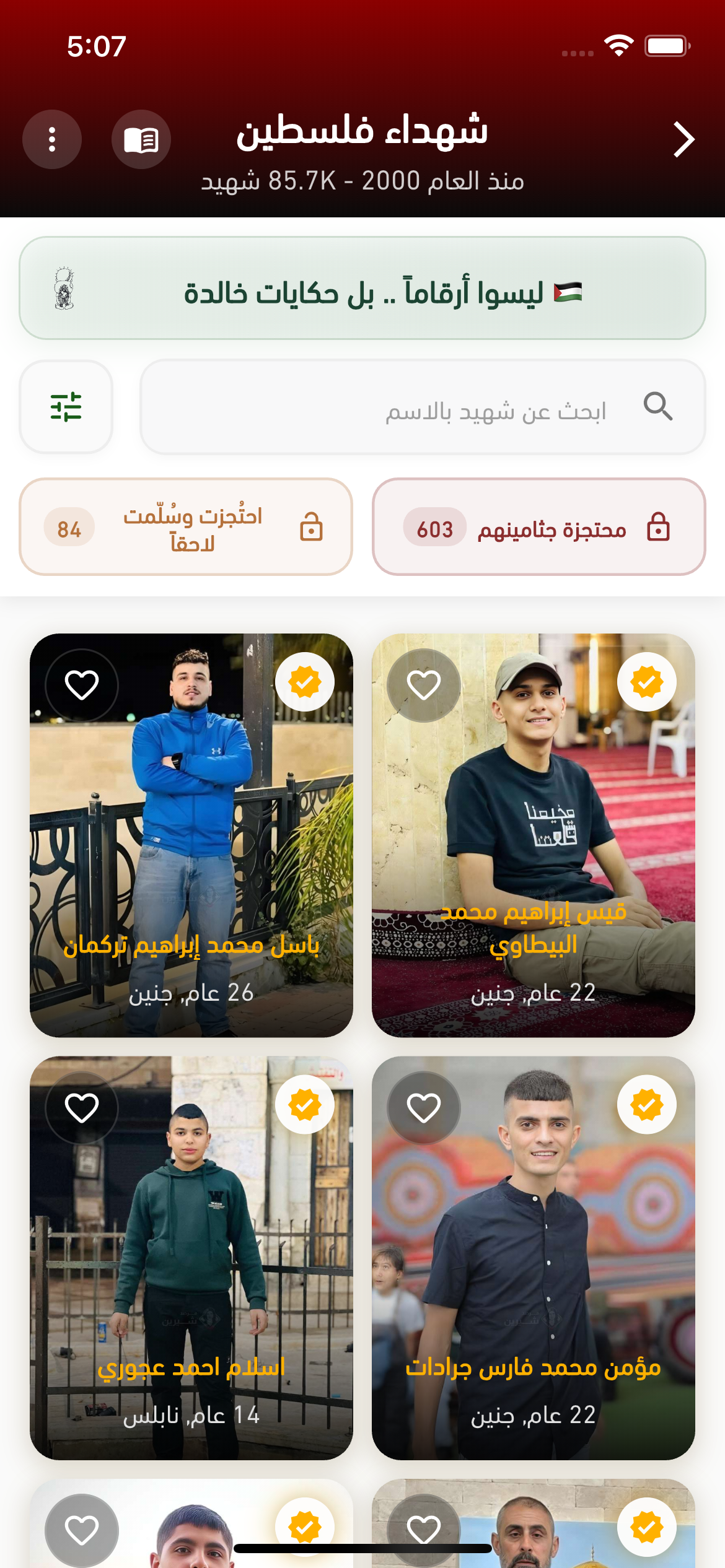
They are not numbers. Names, faces, and lasting stories since 2000, so the file is not closed on a statistic.
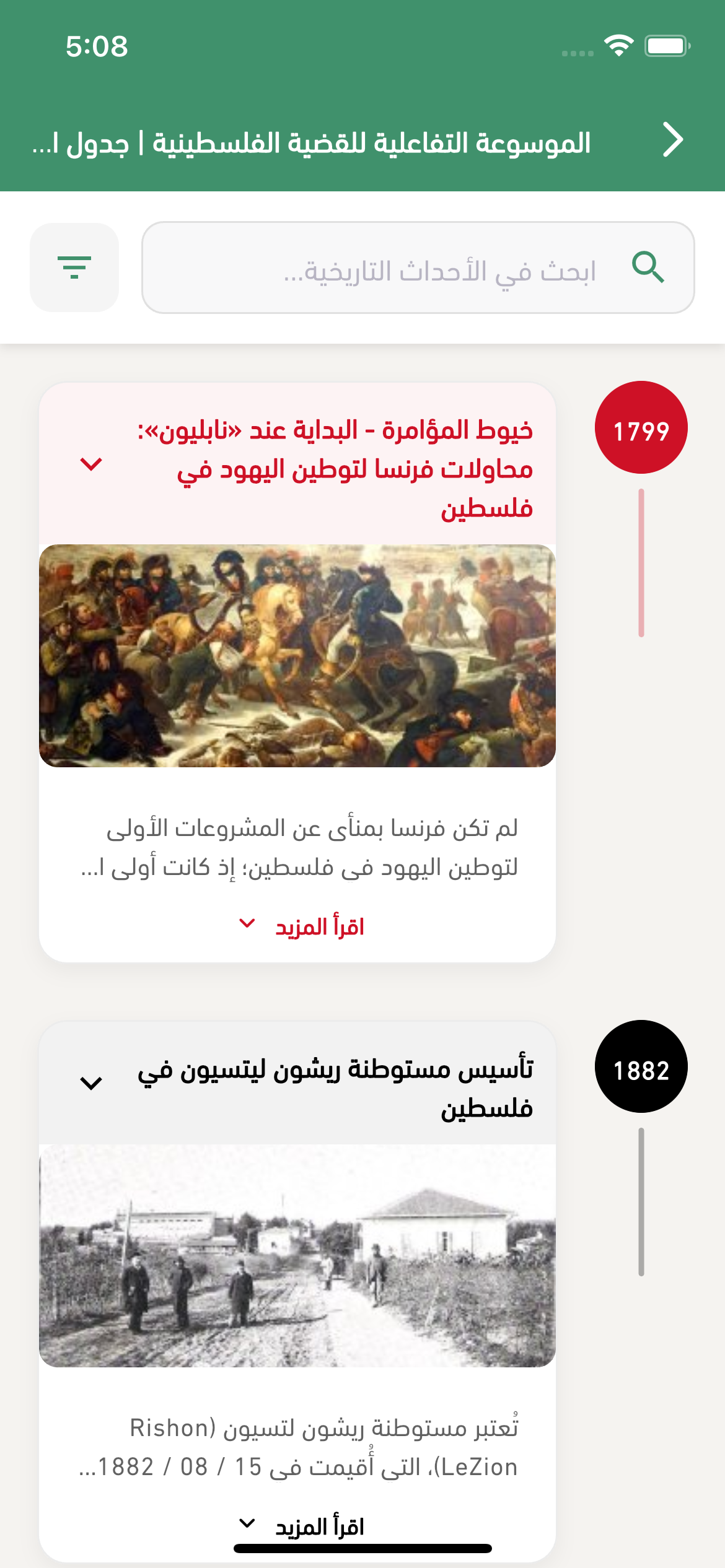
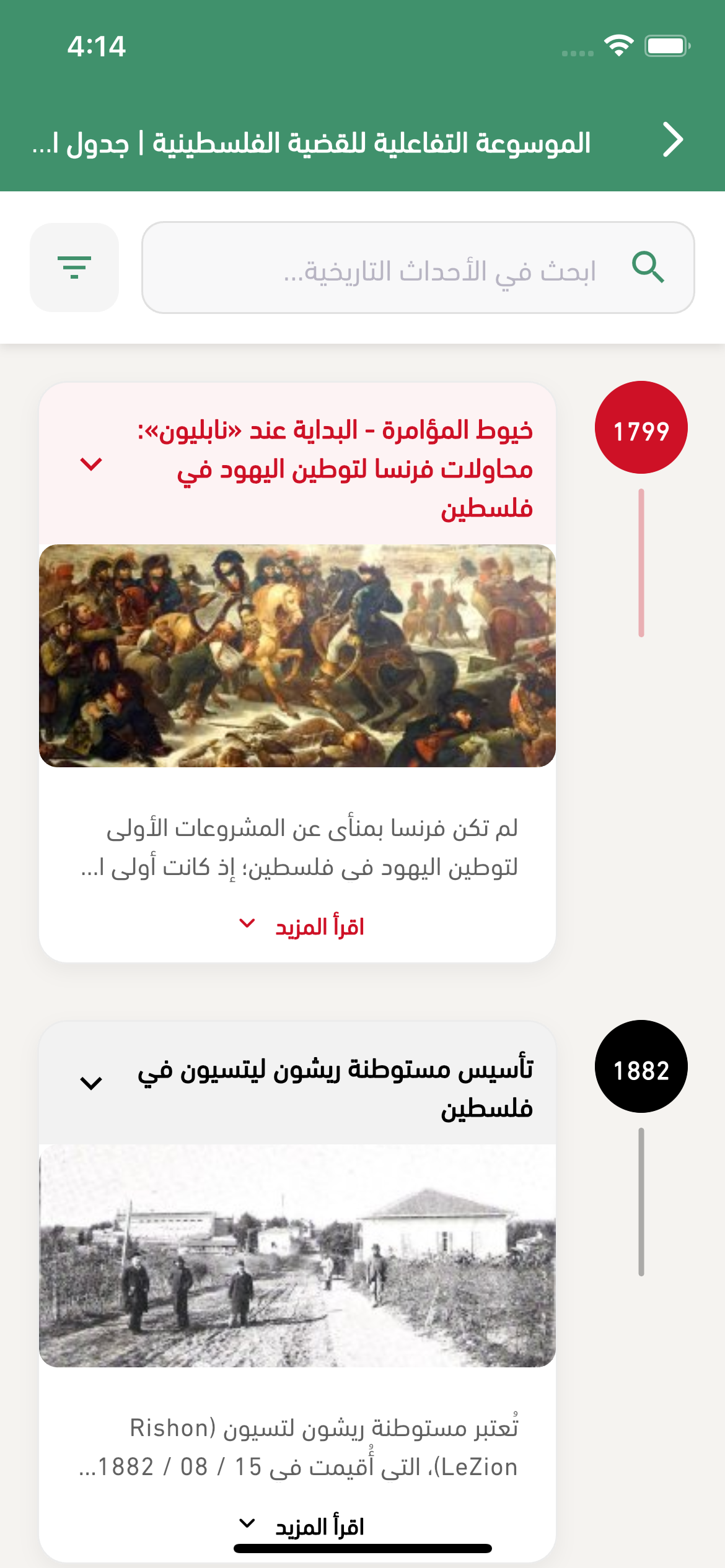
An interactive timeline from the first threads of the plot to today. Search the historical events year by year.
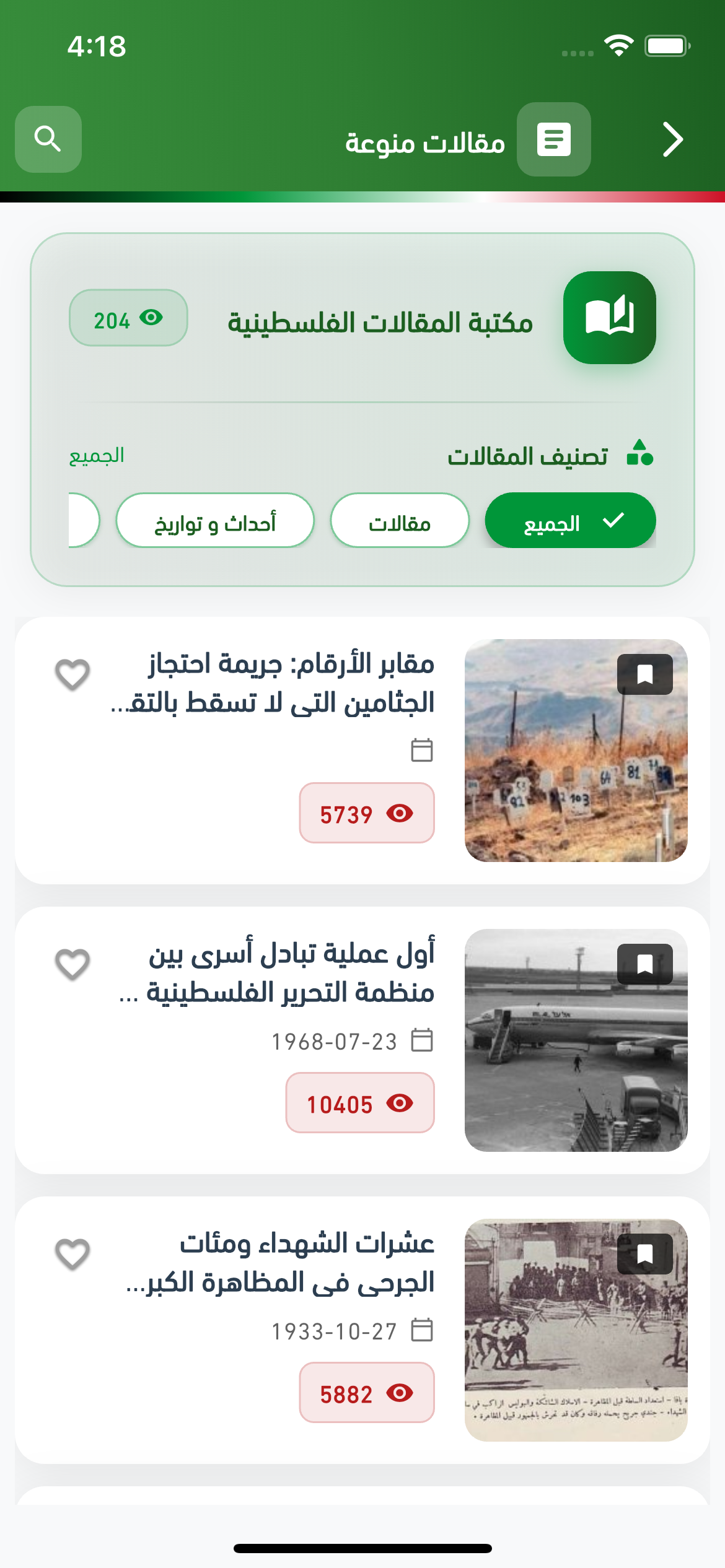
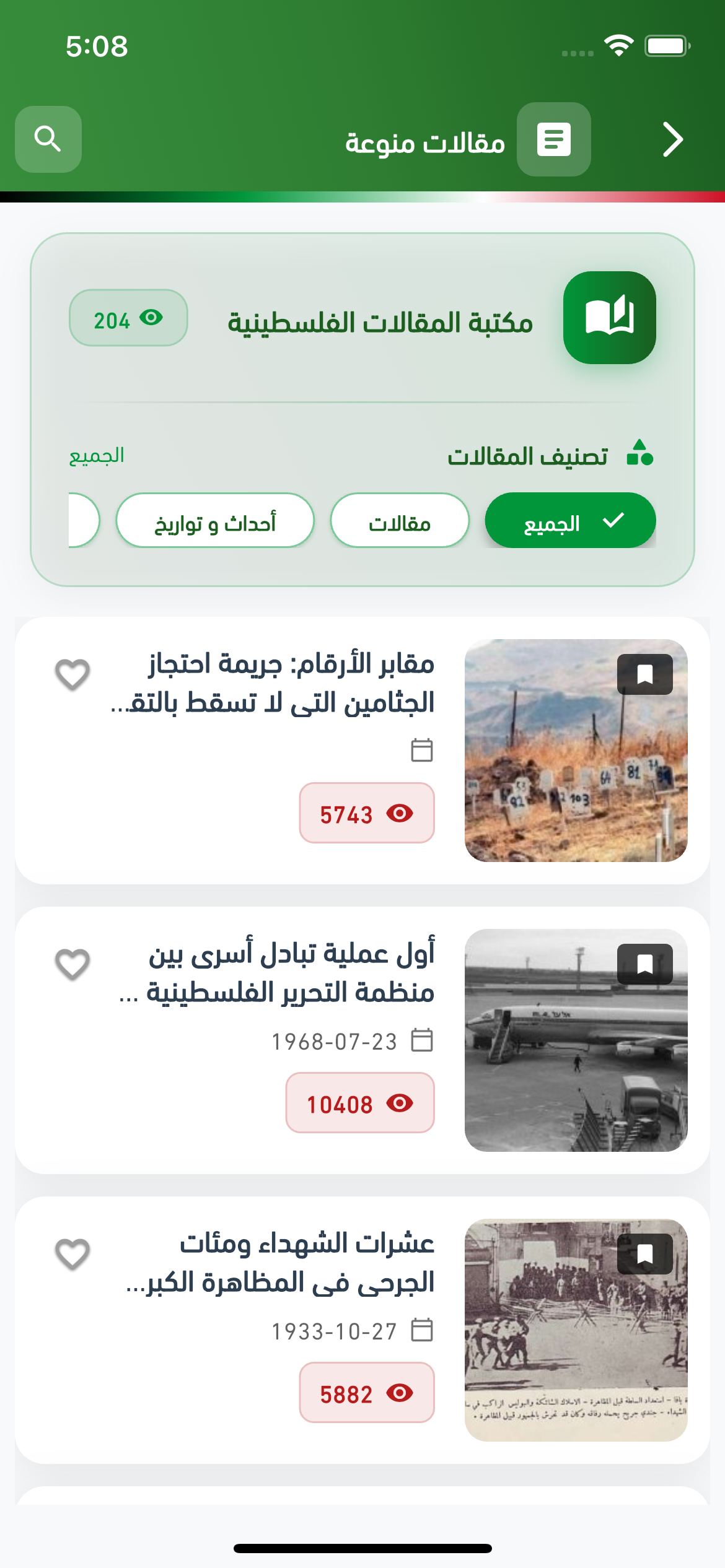
Articles, massacres, a calendar, and a library that does not close. Swipe the screens below — the doors are wider than one row can hold.
To the screen galleryWho it is for
When the house is far and the large screen is tight, the archive stays in the palm: the grandfather’s village, the camp’s name, the map of return.
For the reader who opens the calendar on the bus, or shows a child the photograph of the village before its features are forgotten.
A quick reference for names, dates, and figures, when the story needs evidence rather than impression.
Inside the app
Swipe the screens: the Nakba, the villages, the maps, the statistics, Gaza, Al-Aqsa, and the camps that still wait to return.

One link
Share it with anyone asking about their village, and anyone who has never heard its name. A story travels when it is told.
https://pal48.ps/en/download
Download Our Palestine App
Download it now. Read a chapter on the road. Send a screen to a friend. Make forgetting harder.