78 years since the Nakba
78 years have passed since the Nakba of Palestine and its people. Despite ongoing occupation and aggressive policies, the rights of the land’s owners and the cause do not die.

An encyclopedia file
"They say my land has vanished, lost in the memories of my mind. They say my home was demolished, my orchards and fields set ablaze. I say no, the memories have never faded; the sun of hope has never disappeared from my eyes. There, my home; there, my land; there, my sanctuary. I see them in my waking hours and in my sleep, seventy-five years, and the dream remains the same among my brethren, unified in every inch. Lebanon, Syria, Jordan, or any land where I live, not as a refugee, no, I am not a refugee. I have a homeland, I have a land, my identity. The years will never erase it, no matter how loud the voices of the occupiers, no matter how the words of submission echo in the trumpets of traitors. For I will return, I will cross all borders, break the walls and chains. And to you, O Jerusalem, believe me, I will return."
The Nakba is a term referring to the mass forced displacement in 1948 of over 750,000 Palestinians from their lands and homes.
Seventy four years ago; the Zionist movement, with support from Britain, succeeded in forcefully seizing control of the majority of Palestine through armed means and thus declaring the establishment of Israel.


What is the Nakba?
The Nakba (catastrophe) is the term for the forced mass displacement in 1948 of more than 750,000 Palestinians from their homes and lands.
78 years ago, the Zionist movement — with British support — seized by force most of Palestine and declared the state of Israel.
Wars and conflicts
78 years have passed since the Nakba of Palestine and its people. Despite ongoing occupation and aggressive policies, the rights of the land’s owners and the cause do not die.
More than 530 Palestinian villages were destroyed. In 1948, roughly 13,000 Palestinians were killed and more than 750,000 were expelled from their homes to become refugees.
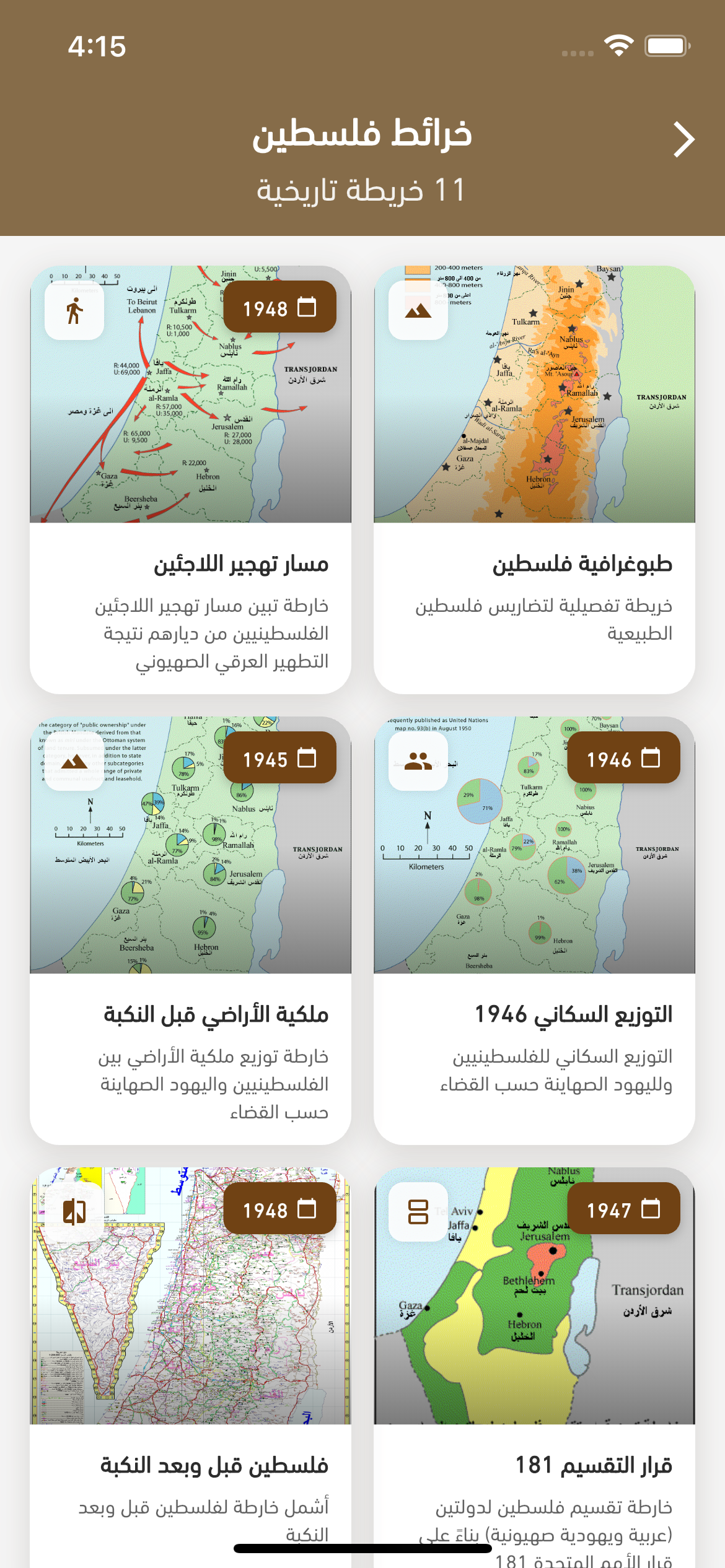
From Deir Yassin to the Al-Aqsa Flood — massacres that shaped the map of displacement. We document them by name and date because forgetting is a second crime.
More than 5,000 prisoners are held in Zionist occupation jails, in poor conditions and in violation of international law.
Refugee camps were established in Palestine, Jordan, Lebanon, Syria, and beyond — their people still waiting to return to their villages and homes.
From 750,000 displaced in 1948 to more than 6 million refugees today — the Nakba did not end; it has continued across generations in Palestine and the diaspora.
The United Nations has issued dozens of resolutions supporting Palestinian rights and the return of refugees — most have never been implemented.
Doors of the file
From the introduction to UNRWA — every door opens onto the archive of memory.
The file in your pocket
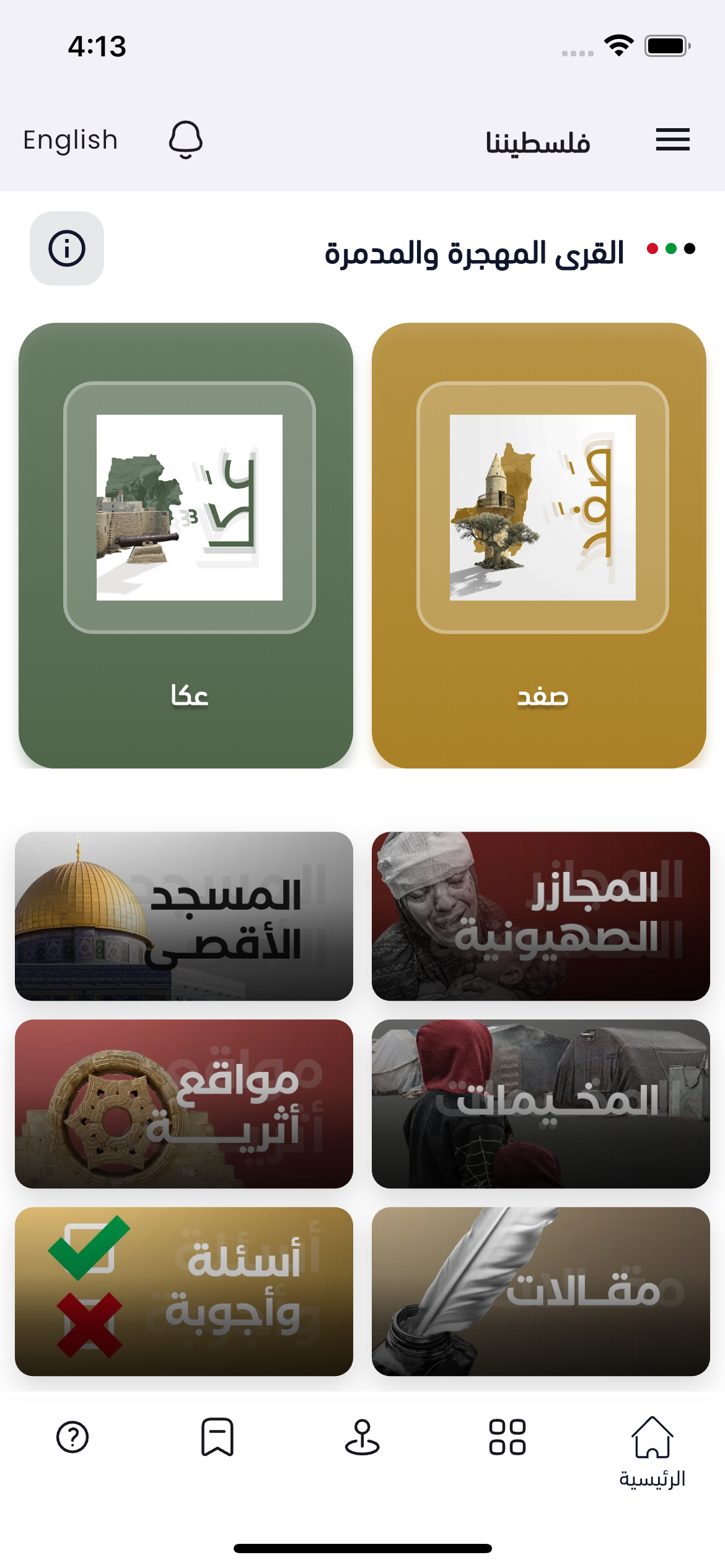
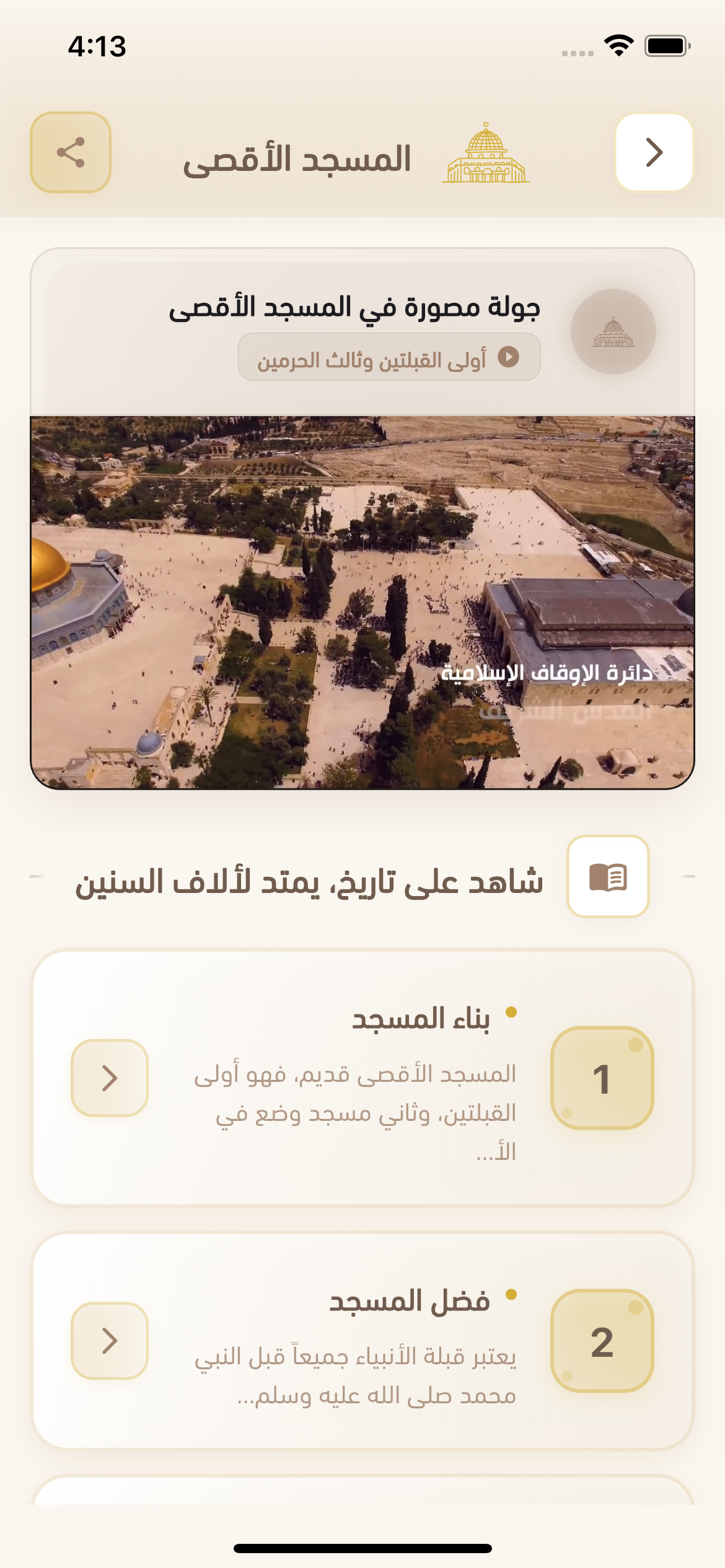
The Nakba is wider than a page. It cannot be reduced to an index, or told in a line. Download Our Palestine App and open memory as the houses were once opened: village by village, massacre by massacre, and a camp that still waits.
Download Our Palestine App
From Palestine before the Nakba to the camps: the doors complete, where no name is lost and no door is forgotten.