The al-Dawayima Massacre, 1948: The Mosque, the Cave and a Soldier's Testimony
At noon on Friday, 29 October 1948, as the people of al-Dawayima were leaving Friday prayers, Zionist forces stormed the village and carried out one of the most horrific massacres of the Nakba. Elderly men were killed in the mosque, whole families were wiped out in the caves, and houses were blown up with people inside. The bodies were then dumped in a well, and the crime was hidden for decades.
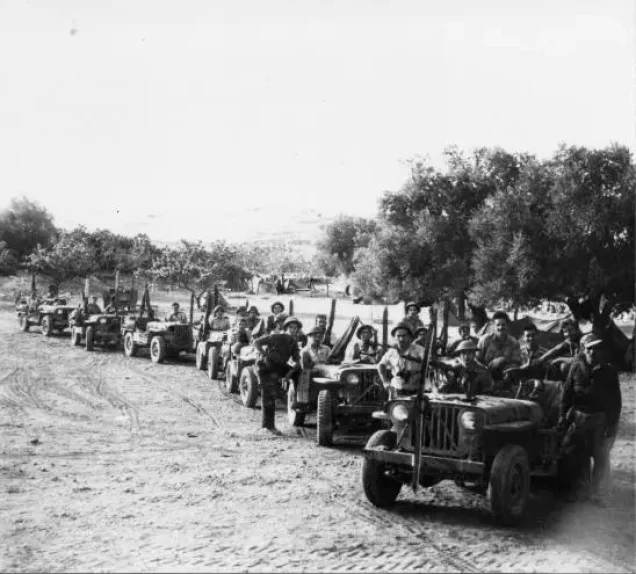
The massacre took place during Operation Yoav, the Israeli army's campaign to occupy southern Palestine. It was carried out by the 89th (Commando) Battalion of the 8th Brigade, commanded by Yitzhak Sadeh. The battalion had been founded by Moshe Dayan and included former members of the Irgun and Stern (Lehi) gangs. The forces met little resistance in the village.
Location and Population of al-Dawayima
Al-Dawayima lies west of the city of Hebron, on the western slopes of the Hebron Mountains. It is bordered by Bayt Jibrin to the north, al-Qubayba to the northwest, Idhna to the northeast, Dura and its hamlets to the south and southeast, and the Beersheba region to the west.
The village had 2,441 inhabitants in 1922, rising to 3,710 in 1945, and to about 4,304 in 1948.
The Massacre
Zionist forces massed in the village of al-Qubayba from Thursday, 28 October, then moved east towards al-Dawayima shortly before noon on Friday and attacked from the west. Armoured cars surrounded the village on all sides except the east, to push its residents to flee towards Idhna and Dura.
Then the shooting began. Soldiers searched the houses one by one and killed everyone they found inside, men, women and children. They blew up the house of the village mukhtar.
- The mosque massacre: Dozens of elderly men took refuge in the village mosque and were killed inside. The village mukhtar, Hassan Mahmoud Ihdeib, said about 75 elderly men were killed in the mosque. He found about 60 bodies there the following night, most of them elderly, among them his own father.
- The cave massacre: 35 families hiding in the cave of Iraq al-Zagh near the village were ordered out and lined up, then mowed down with machine guns. The mukhtar said he found 85 bodies of men, women and children at the mouth of the cave.
- Hunting those who returned: When villagers crept back to their homes to fetch food and clothes, soldiers shot them, and houses were blown up with people inside.
An Israeli Soldier's Testimony
On 8 November 1948, a member of the Mapam party, S. Kaplan, recorded the testimony of an Israeli soldier who took part in the attack, in a letter to his party's leadership. The testimony said:
- The first wave of attacking troops killed between 80 and 100 Arabs, including women and children, and the children were killed by smashing their heads with sticks.
- An officer ordered an explosives engineer to put two elderly women into a house and blow it up with them inside. The engineer refused, so the officer ordered other soldiers to do it, and the order was carried out.
- A woman carrying her newborn baby was ordered to clean a yard, then she and her baby were shot.
- Soldiers and commanders boasted of killings and rapes, and one bragged that he had raped a woman and then shot her.
The letter remained hidden until the Israeli historian Benny Morris found it, and it was published in full in the newspaper Haaretz in 2016.
How Many Were Killed in the al-Dawayima Massacre?
There is no final figure, because the occupation prevented any investigation and hid the bodies. Estimates vary by source:
- 455 martyrs: according to a list of names prepared by the village mukhtar, Hassan Mahmoud Ihdeib, and handed to the Jordanian military governor.
- Between 500 and 1,000: according to the American consul in Jerusalem, based on the reports that reached him.
- 500: according to the command of the Egyptian garrison in Bethlehem.
- About 200: according to the Hebron police command, referring to those who had taken refuge in the mosque.
- Between 80 and 100: according to the Israeli soldier, in the first wave of the attack alone.
The Cover-Up
Soldiers collected the bodies, threw them into a well and covered it. UN observers asked three times to enter the village and were refused. They were allowed in only on 8 November, ten days later, and were even barred from entering the mosque.
In December 1948, an Israeli ministerial committee discussed the massacre, and minister Aharon Cizling described the soldiers' conduct as "Nazi acts". But the ministers agreed not to publicly admit any wrongdoing in order to protect the image of the new state, and the investigations ended without real accountability.
The Massacre Exposed 36 Years Later
The details of the massacre stayed hidden until the Israeli newspaper Hadashot published an investigation on 24 August 1984, including an interview with the village mukhtar. The mukhtar led the journalist to the well where the bodies had been buried. Workers dug at the site and found human bones and three skulls, one of them a small child's, before the digging was stopped.
Al-Dawayima Today
All of al-Dawayima's residents were expelled, and their descendants live today in refugee camps, in Hebron and elsewhere. The occupation destroyed the village, and in 1955 built the settlement of Amatzia on its ruins. Only the shrine of Shaykh Ali survived intact.
Frequently Asked Questions About the al-Dawayima Massacre
When did the al-Dawayima massacre take place?
On Friday, 29 October 1948, after Friday prayers, during Operation Yoav.
Where is al-Dawayima?
West of the city of Hebron, between Bayt Jibrin and Dura, on the western slopes of the Hebron Mountains.
Who carried out the al-Dawayima massacre?
The 89th Battalion of the Israeli army's 8th Brigade, commanded by Yitzhak Sadeh. The battalion was founded by Moshe Dayan and included former Irgun and Stern members.
How many people were killed at al-Dawayima?
Estimates range from 80 to 1,000. The village mukhtar compiled a list of 455 names.
What was built on the land of al-Dawayima?
The settlement of Amatzia, built in 1955 on the ruins of the village.
Read more:
Photo gallery

More from the archive
 Download Our Palestine App
The whole archive in the palm of your hand: depopulated villages, the Nakba, the massacres and Al-Aqsa — free, with no ads to erase the story.
Download Our Palestine App
The whole archive in the palm of your hand: depopulated villages, the Nakba, the massacres and Al-Aqsa — free, with no ads to erase the story.
Comments
No comments yet — be the first to write one.
Add your comment
Name and email are optional. Comments appear after review.