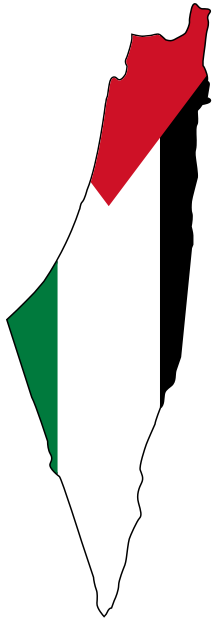
The Nakba: Palestine’s Enduring Wound

The Nakba: Palestine’s Enduring Wound
The Nakba—Arabic for “the Catastrophe”—is the Palestinian name for the mass displacement, uprooting, dispossession, and destruction of communities that radically transformed Palestine during 1947–1949 and accompanied the occupation of large parts of Palestine and the establishment of the State of Israel (Occupied Palestine).
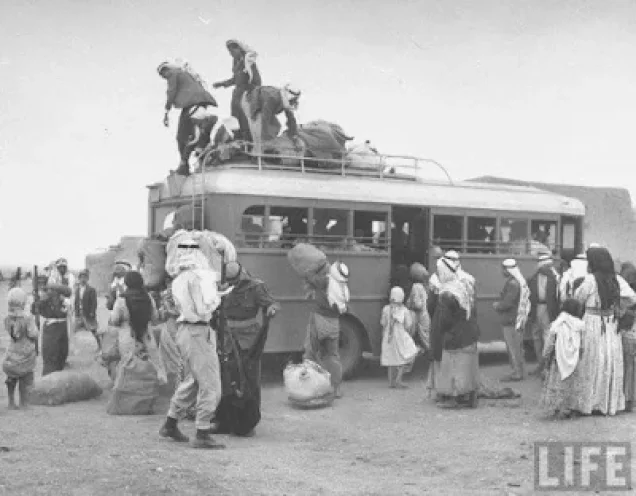
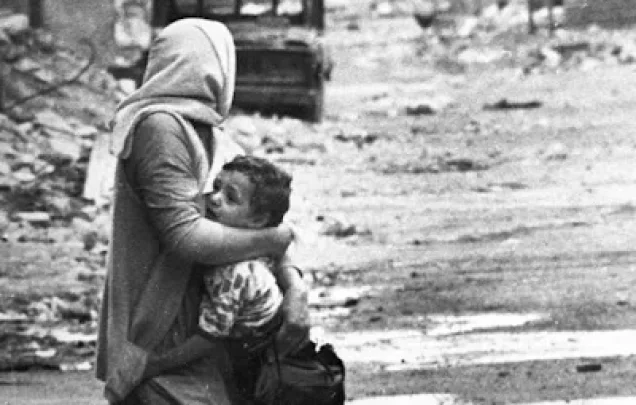
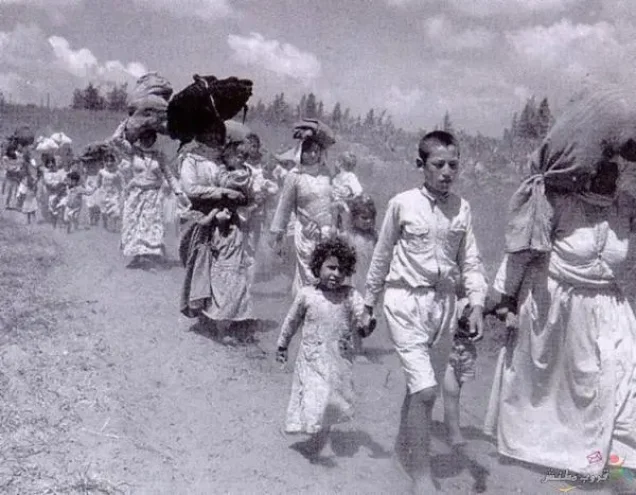
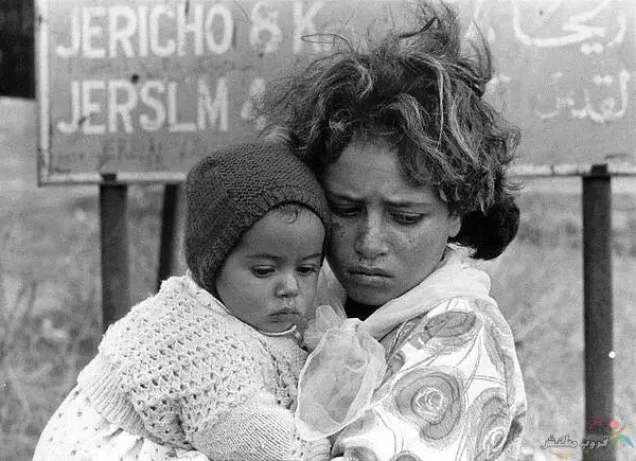
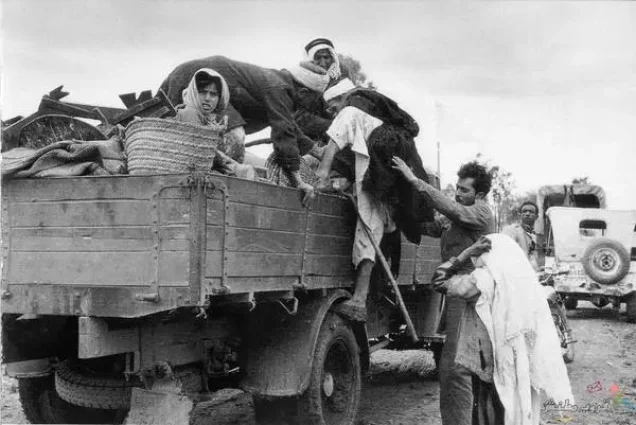
Approximately three-quarters of a million Palestinians were displaced. Palestinian cities were emptied of most of their inhabitants, hundreds of villages disappeared, families were scattered across borders, property was confiscated, and most refugees were prevented from returning to their homes after the aggression ended.
For Palestinians, the Nakba was not merely the loss of land. People lost their homes, fields, orchards, businesses, schools, mosques, churches, cemeteries, family and social networks, and entire communities whose histories extended back generations.
The Nakba therefore constitutes both a historical event and a foundational collective memory for Palestinians: the moment when a society deeply rooted in Palestine was fragmented and transformed into a people divided among refugees, Palestinians who remained in the territories that became the State of Israel (Occupied Palestine), those living in the West Bank and Gaza Strip, and Palestinians dispersed throughout the wider diaspora.
What Does “Nakba” Mean?
The Arabic word Nakba means catastrophe or great disaster.
Palestinian and Arab intellectuals began using the term during the events themselves. In August 1948, Syrian Arab intellectual Constantine Zurayk published his book Ma’na al-Nakba—The Meaning of the Catastrophe—which helped establish the term as one of the principal expressions used to describe what had happened in Palestine.
Over time, the word Nakba came to encompass a series of interconnected processes: military occupation, forced displacement and flight, massacres and violence against civilians, the depopulation and destruction of Palestinian towns and villages, confiscation of property, prevention of refugee return, and the broad demographic and geographic transformation of Palestine.
Palestinian historians and a number of later scholars have also analyzed major aspects of this process through the framework of “ethnic cleansing.” The use of this term remains part of historical debate, while the mass displacement, depopulation of hundreds of Palestinian communities, and prevention of the return of the majority of refugees are extensively documented.
Palestine Before the Nakba
Palestine before 1948 was not an empty land.
It contained a broad and diverse Palestinian society composed of cities, towns, villages, Bedouin communities, agricultural lands, commercial centers, religious institutions, schools, newspapers, cultural associations, political movements, trade unions, sports clubs, and networks of commerce and social relations connecting Palestine to the wider Arab world.
Jerusalem, Jaffa, Haifa, Acre, Nazareth, Gaza, Nablus, Hebron, Safad, Tiberias, Ramla, and Lydda, among other urban centers, formed part of a diverse Palestinian society that included Muslims and Christians alongside Jewish communities that had lived in the country for earlier periods.
The Palestinian countryside consisted of hundreds of villages whose inhabitants cultivated cereals, olives, citrus fruits, grapes, vegetables, and other crops within complex systems of landownership, village administration, kinship, trade, and local culture.
This was the society that would undergo profound fragmentation during the Nakba.
The Political Road to the Nakba
The Nakba cannot be understood without examining the political transformations that preceded 1948.
Modern political Zionism emerged in Europe during the late nineteenth century and initially sought to establish a Jewish national home in Palestine, before the objective of creating a sovereign Jewish state became increasingly explicit within mainstream Zionism during the following decades.
In 1897, the First Zionist Congress convened in Basel and organized the Zionist movement around the goal of establishing a publicly and legally secured home for the Jewish people in Palestine.
The most significant international breakthrough came during the First World War.
On November 2, 1917, Britain issued the Balfour Declaration, announcing its support for the establishment of a “national home for the Jewish people” in Palestine.
At the time, Arabs constituted the overwhelming majority of Palestine’s population. Yet the declaration referred to them as the country’s “existing non-Jewish communities” and pledged not to prejudice their civil and religious rights without recognizing equivalent Palestinian national or political rights.
The British Mandate and the Development of Zionist Institutions
After the First World War, Britain took control of Palestine and was subsequently granted the Mandate by the League of Nations.
The Balfour Declaration was incorporated into the Mandate, and the British administration became formally committed to facilitating the establishment and development of the “Jewish national home.”
During the Mandate period, Jewish immigration to Palestine increased, while the Zionist movement developed increasingly organized political, economic, agricultural, and military institutions.
The Jewish Agency emerged as an institution with extensive political and administrative functions, while organizations such as the Haganah built a military infrastructure that later became one of the principal foundations of the Israeli military.
Palestinians repeatedly resisted these policies through petitions, political congresses, demonstrations, strikes, political organization, and armed resistance.
The Great Palestinian Revolt, 1936–1939
Palestinian resistance to British rule and the Zionist project reached an unprecedented scale during the Great Palestinian Revolt of 1936–1939.
The revolt demanded an end to British colonial rule, a halt to Jewish immigration and land transfers, and Palestinian national independence.
Britain suppressed the revolt with extensive military force.
Thousands of Palestinians were killed or wounded, while numerous leaders and activists were imprisoned, exiled, or forced underground. Villages were subjected to collective punishment, homes were demolished, and thousands of Palestinians were detained.
At the same time, Zionist military capabilities expanded significantly during this period and benefited from cooperation with British authorities, including the training and arming of Jewish auxiliary police forces.
The consequences of this repression were profound. When the decisive stage of the struggle over Palestine began less than a decade later, Palestinian society had still not recovered from the political, military, and organizational damage caused by the suppression of the revolt.
The United Nations Partition Resolution
On November 29, 1947, the United Nations General Assembly adopted Resolution 181, recommending the partition of Palestine into an Arab state and a Jewish state, with Jerusalem placed under a special international regime.
At the time, Jews constituted approximately one-third of the country’s population and owned only a limited proportion of Palestine’s land.
Nevertheless, approximately 55–56 percent of Mandatory Palestine was allocated to the proposed Jewish state.
Palestinians rejected the partition plan, arguing that the majority population of the country was being asked to surrender more than half of its homeland without its consent.
The Jewish Agency, meanwhile, accepted partition as the basis for establishing a Jewish state, although the proposed borders were not fully accepted by all Zionist currents.
The Nakba Began Before May 15, 1948
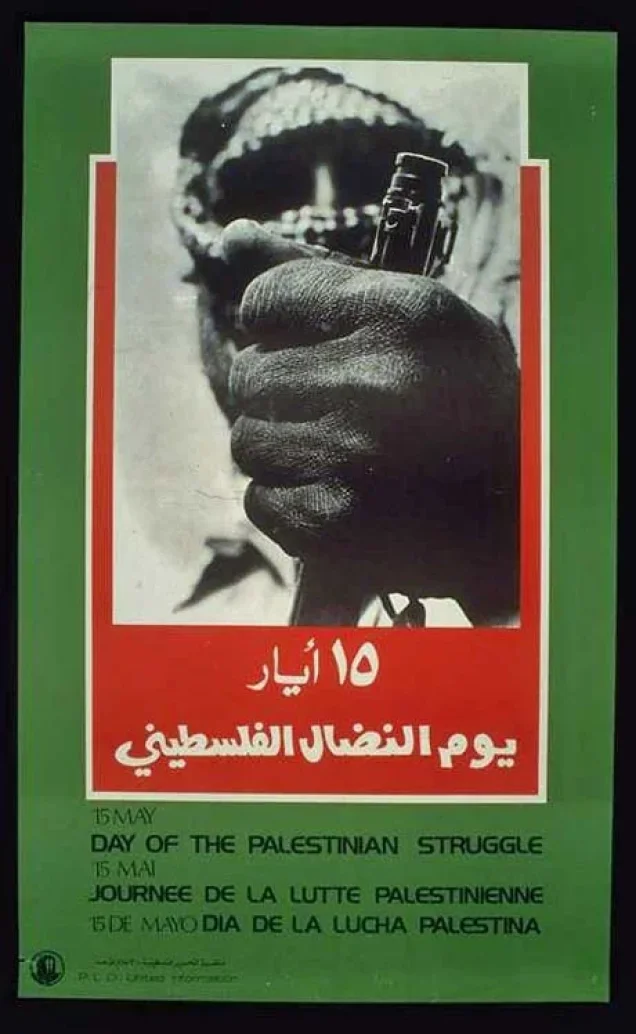
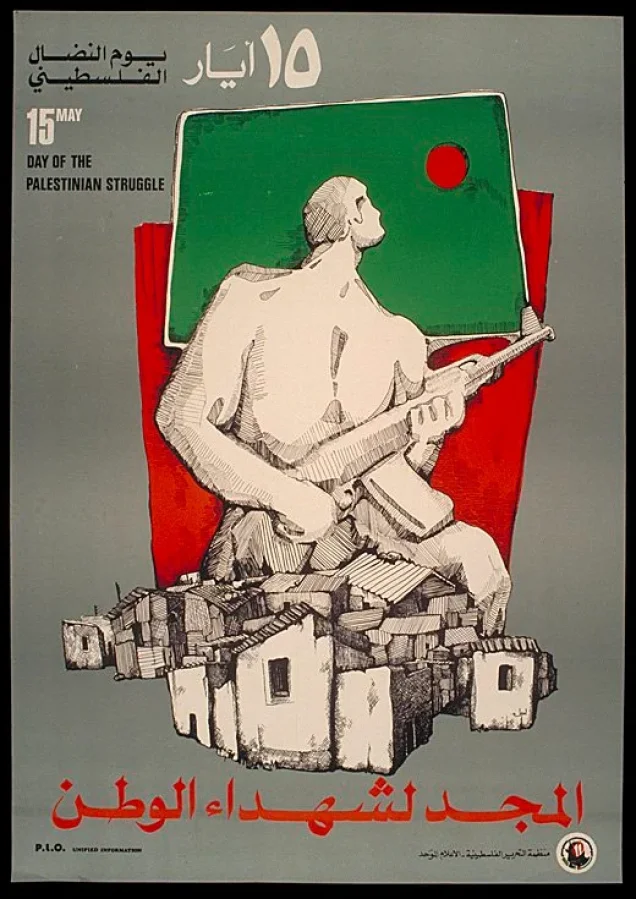
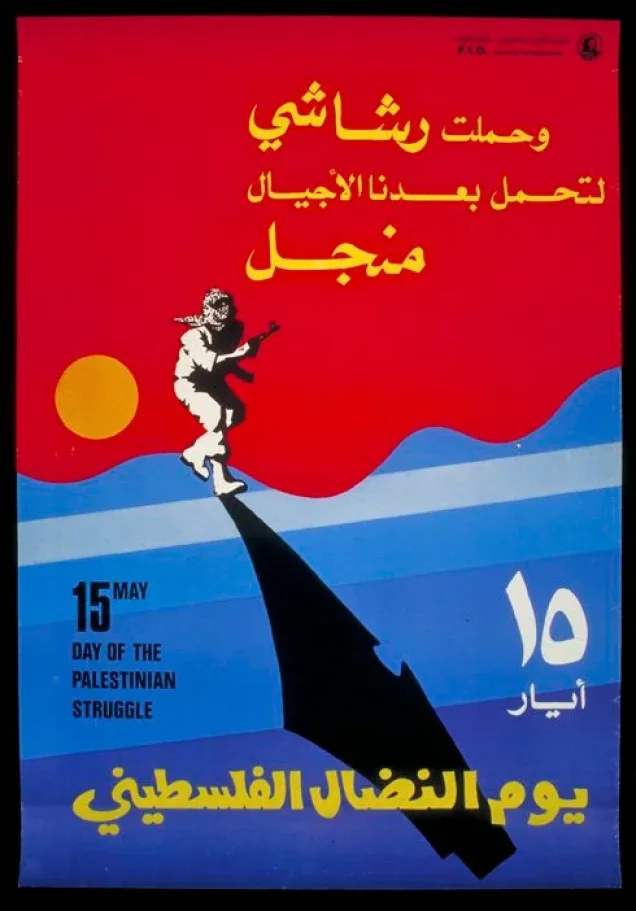
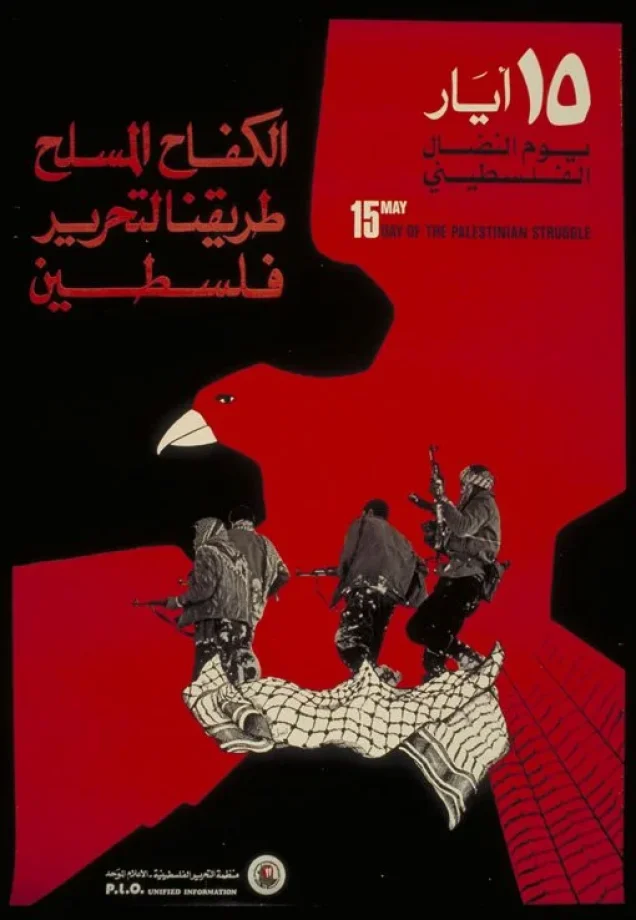
Palestinians commemorate Nakba Day annually on May 15, the day after the declaration of the State of Israel (Occupied Palestine) and the formal end of the British Mandate.
Historically, however, the displacement of Palestinians began several months earlier. Following the partition resolution in late November 1947, armed confrontations rapidly intensified between Palestinian forces and Zionist armed organizations.
During December 1947 and the opening months of 1948, attacks, bombings, raids, economic siege, fear, and military pressure caused Palestinians to leave parts of Haifa, Jerusalem, Jaffa, and several villages. Palestinian communities, including Qisarya, were also occupied and depopulated before the end of the British Mandate.
By February 1948, entire Palestinian communities were already being subjected to expulsion or destruction, demonstrating that the Nakba did not begin after the entry of Arab armies in May but was already underway during the final months of British rule.
Deir Yasin and the Spread of Fear
On April 9, 1948, forces of the Irgun and Lehi attacked the Palestinian village of Deir Yasin near Jerusalem.
The Haganah command in Jerusalem was aware of the operation and provided ammunition and mortar covering fire during the fighting, while a Palmach unit arrived to assist the attackers after the initial assault encountered difficulties.
Approximately 100 Palestinian villagers were killed, including women, children, and elderly residents.
News of the massacre spread rapidly throughout Palestine.
Although the initial figures published for the number of victims were higher than later historical estimates, the psychological impact of the massacre was enormous. The name Deir Yasin became associated with fears that other Palestinian villages might face a similar fate.
This fear became one of the factors contributing to increased Palestinian displacement during the following weeks.
The Occupation of Palestinian Cities
April and May 1948 witnessed the occupation of several major Palestinian urban centers and the depopulation of most of their Arab inhabitants.
Tiberias was among the first cities to be largely emptied of its Palestinian population in April.
Later that month, Haifa, one of Palestine’s largest and most important cities, fell, and most of its Palestinian Arab population either left or was displaced.
In May, Safad was occupied after military operations, bombardment, and fear led to the departure of most of its Palestinian inhabitants.
Jaffa, the major Palestinian Arab coastal city, was subjected to siege, bombardment, and attacks, and most of its inhabitants had fled or been displaced by the time the city fell.
Acre was also occupied in May.
Large parts of Palestinian urban society had therefore already been fragmented and displaced before the armies of neighboring Arab states entered Palestine.
May 1948: The Declaration of the State of Israel (Occupied Palestine) and the Expansion of the Occupation of Palestine
On the afternoon of May 14, 1948, David Ben-Gurion proclaimed the establishment of the State of Israel (Occupied Palestine).
The British Mandate formally ended at midnight between May 14 and 15.
The United States recognized the provisional Israeli government de facto on May 14, followed later by formal Soviet recognition.
On May 15, regular forces from several neighboring Arab states entered Palestine, and the confrontation entered a broader regional military phase.
By that date, however, a substantial part of the Palestinian displacement had already occurred, and numerous Palestinian towns and villages had already been occupied or depopulated.
The Occupation of Lydda and Ramla and the Displacement of Their Residents
One of the largest episodes of mass displacement during the Nakba took place in July 1948.
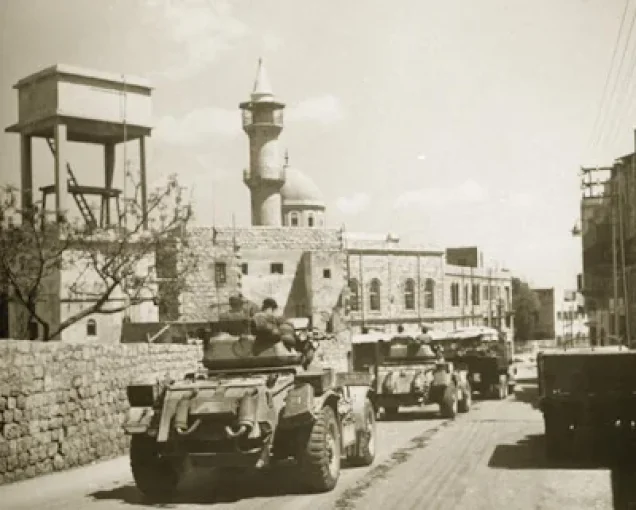
Israeli forces occupied the Palestinian cities of Lydda and Ramla during Operation Dani.
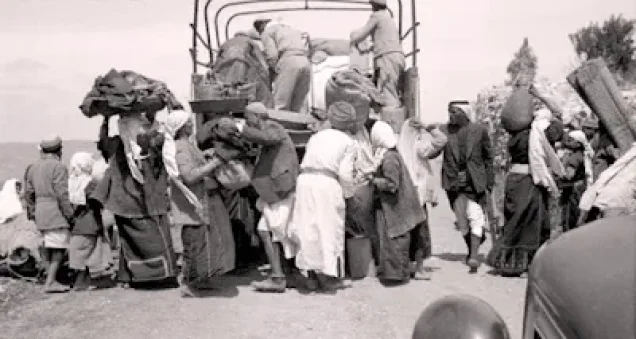
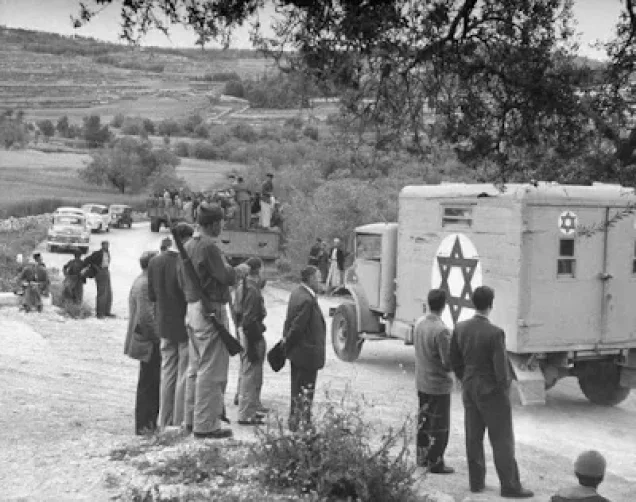
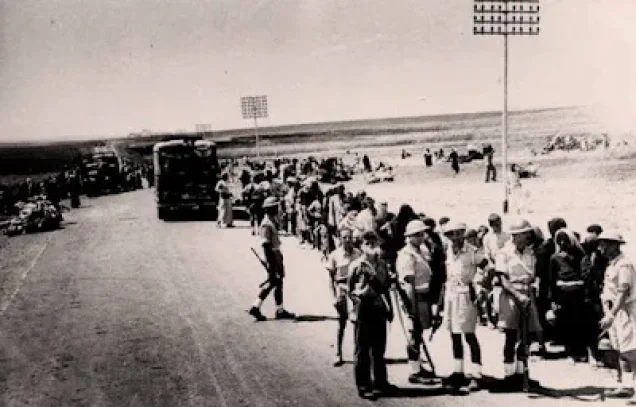
Tens of thousands of Palestinians were subsequently forced to leave the two cities and surrounding communities.
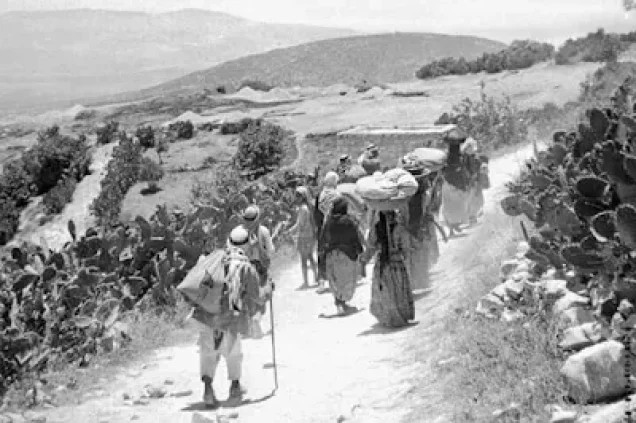
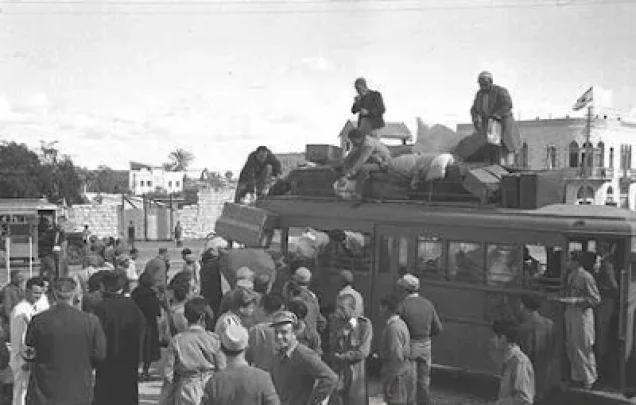
Many were forced to walk eastward in the intense summer heat toward areas controlled by Arab forces, under conditions that led to deaths from thirst, exhaustion, and dehydration.
The displacement of Lydda and Ramla became one of the most prominent episodes of the Nakba in Palestinian memory.
The Destruction and Depopulation of Palestinian Villages
Rural Palestine also underwent a profound transformation during the Nakba.
Walid Khalidi’s authoritative reference work All That Remains documents 418 Palestinian villages that were occupied and depopulated.
Other studies provide different figures because of differing definitions of which communities are included, and whether small localities, farms, and Bedouin communities are counted.
It is therefore more cautious to state that more than 400 documented Palestinian villages were depopulated, while noting that broader estimates are higher.
Many villages were destroyed after their inhabitants had been displaced.
Homes were dynamited or bulldozed, while village lands were subsequently incorporated into settlements, agricultural projects, forests, military zones, and other developments.
Bedouin Communities in the Naqab
The Nakba also affected the Palestinian Bedouin population of the Naqab.
Tens of thousands were displaced during and after the military occupation of the Naqab.
Some crossed into Egypt, Jordan, and the Gaza Strip as a result of fear or direct expulsion, while others were internally displaced and concentrated in designated areas that later came under Israeli military rule.
Because many Bedouin communities were organized through tribes, encampments, and seasonal movement rather than permanent villages according to later administrative definitions, the scale of their displacement is not always fully reflected in standard counts of depopulated Palestinian villages.
How Many Palestinians Became Refugees?
Historical estimates vary slightly, but the figure most commonly cited in Palestinian sources and United Nations documents places the number of Palestinians who became refugees as a result of the Nakba at approximately 725,000 to 750,000 Palestinians.
The displaced moved in different directions depending on the location of their towns and villages:
- Many residents of Haifa, Acre, and northern Galilee sought refuge in Lebanon.
- Palestinians from Safad, Tiberias, and northeastern areas moved toward Syria.
- Large numbers from Lydda, Ramla, Jerusalem-area villages, and central Palestine fled toward the areas that later became the West Bank.
- Large numbers of Palestinians from the southern coastal plain and the Beersheba region fled to the Gaza Strip.
- Others reached Jordan, Egypt, Iraq, and other countries.
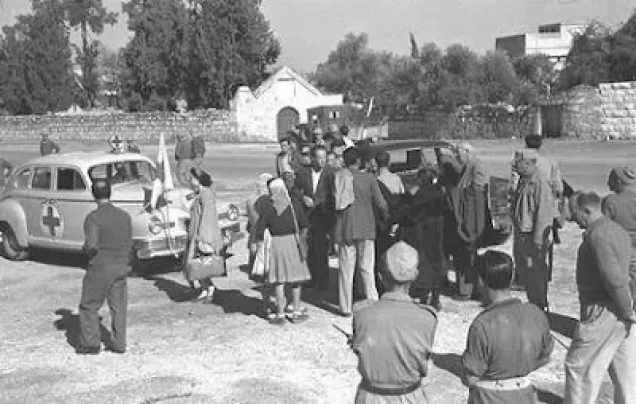
Many families were separated during the displacement, and some refugees believed that their absence would last only days or weeks before they could return home.
For the overwhelming majority, that return never took place.
Palestinians Who Remained in the Territories That Became the State of Israel (Occupied Palestine)
Not all Palestinians who lived in the territories that came under Israeli control were displaced.
Walid Khalidi’s reference work and traditional demographic estimates cite a figure of approximately 156,000 Palestinians who remained within the borders of the State of Israel (Occupied Palestine) during the early years, although studies differ depending on the date used for calculation and the territorial changes that occurred in 1949.
Among those who remained were thousands of Palestinians displaced from their original villages and towns but who stayed within the borders controlled by the State of Israel (Occupied Palestine). They later became known as internally displaced Palestinians, or in some legal and political contexts as “present absentees.”
Palestinians living under Israeli rule were formally subjected to military government from 1948 until the end of 1966, with extensive restrictions imposed on movement, residence, and access to land.
The Territorial Transformation of Palestine
United Nations Resolution 181 had proposed allocating approximately 55–56 percent of Mandatory Palestine to the proposed Jewish state.
However, by the end of the principal military operations and the 1949 armistice agreements, the State of Israel (Occupied Palestine) controlled approximately 77 percent of Mandatory Palestine.
The remaining territory was divided between the West Bank, including East Jerusalem, which came under Jordanian rule, and the Gaza Strip, which came under Egyptian administration.
The independent Arab Palestinian state envisaged in the partition plan was never established.
Instead, Palestine and its people underwent extensive geographic and political fragmentation.
Massacres and the Killing of Civilians
The Nakba also included massacres and large-scale killings of Palestinian civilians and prisoners.
Deir Yasin became the most widely known of these events, but it was not the only one.
Killings have been documented in towns and villages including al-Dawayima, Tantura, Saliha, and Safsaf, among others.
Palestinian sources, drawing on estimates by historian Aref al-Aref that are also cited in Walid Khalidi’s work, place the number of Palestinians killed during the occupation of Palestine and the Nakba of 1948 at approximately 13,000, most of them civilians according to this estimate.
Estimates of the number of Palestinians killed, as well as the classification of individual incidents as massacres, differ among historians and sources. Any single figure should therefore be treated cautiously rather than presented as universally agreed.
The Destruction of the Palestinian Landscape
The Nakba transformed not only the demographic composition of Palestine but also its physical and cultural geography.
Many Palestinian villages were destroyed after being depopulated, while their lands were distributed among settlements, agricultural projects, state institutions, military areas, and other uses.
New Hebrew names were assigned to large numbers of geographic sites, settlements, valleys, mountains, and locations that had previously carried Palestinian Arabic names.
Many Palestinian Arabic place names gradually disappeared from official maps.
In some locations, forests were planted over or around the remains of villages, transforming landscapes that had previously contained houses, agricultural terraces, grazing areas, cemeteries, wells, orchards, and village roads.
From a Palestinian perspective, this represented not merely the loss of land but a transformation of the visible memory of the country itself.
Preventing Palestinian Refugees from Returning
The Palestinian refugee crisis did not end when the principal military operations came to an end.
The State of Israel (Occupied Palestine) refused to permit the mass return of Palestinian refugees to the homes, lands, and properties they had left behind.
Villages were destroyed, extensive properties were placed under state control, and new settlements were established or existing settlements expanded on the lands of many depopulated Palestinian villages.
The displacement that many Palestinian families had believed would be temporary thus became long-term exile.
United Nations Resolution 194 and the Right of Return
On December 11, 1948, the United Nations General Assembly adopted Resolution 194 (III).
Paragraph 11 stated that refugees wishing to return to their homes and live at peace with their neighbors should be permitted to do so at the earliest practicable date, and that compensation should be paid for the property of those choosing not to return and for lost or damaged property for which compensation was required under international law or principles of equity.
The resolution became one of the principal international references for Palestinian demands relating to return and compensation.
The Universal Declaration of Human Rights had been adopted only one day earlier, on December 10, 1948. Article 13 states that everyone has the right to leave any country, including their own, and to return to their country.
Nevertheless, the overwhelming majority of Palestinian refugees displaced during the Nakba were not permitted to return to their homes.
From Residents of Towns and Villages to Refugees
The word “refugee” can sometimes obscure the lives that existed before displacement.
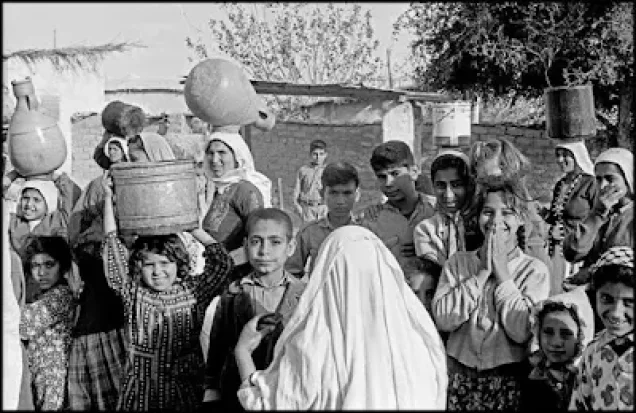
Those who crossed into Lebanon, Syria, Jordan, the West Bank, Gaza, Egypt, and elsewhere were farmers from villages, merchants from Jaffa and Haifa, dockworkers, teachers, doctors, craftsmen, students, fishermen, laborers, landowners, clergy, and children.
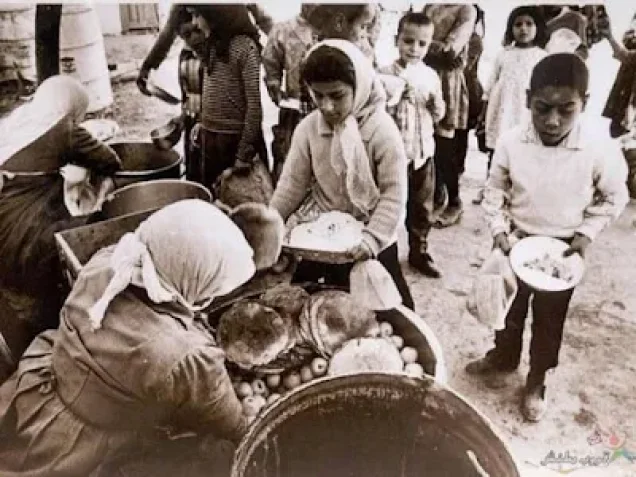
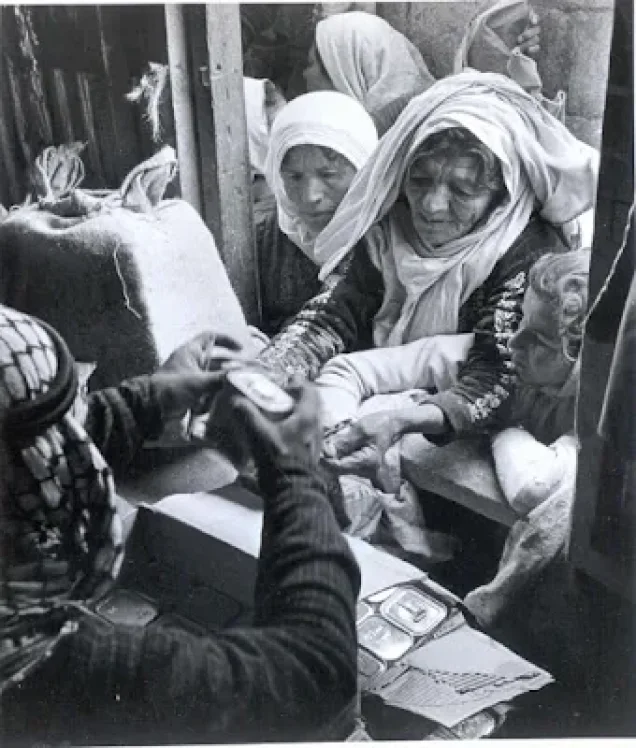
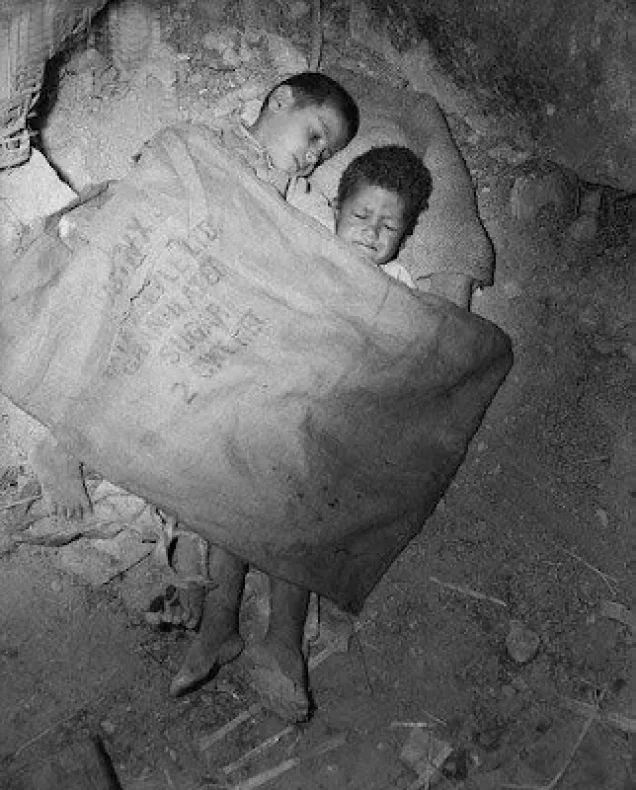
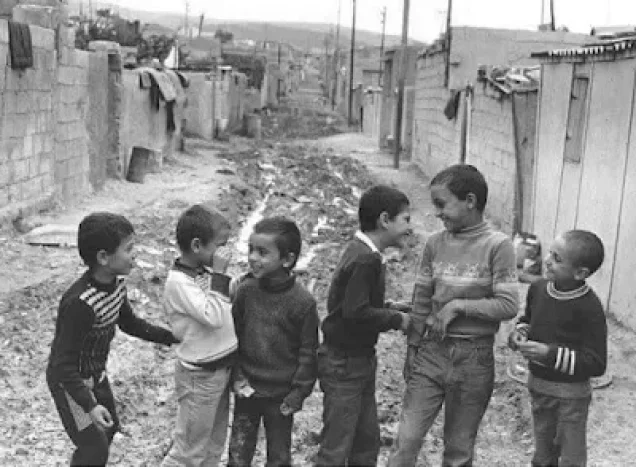
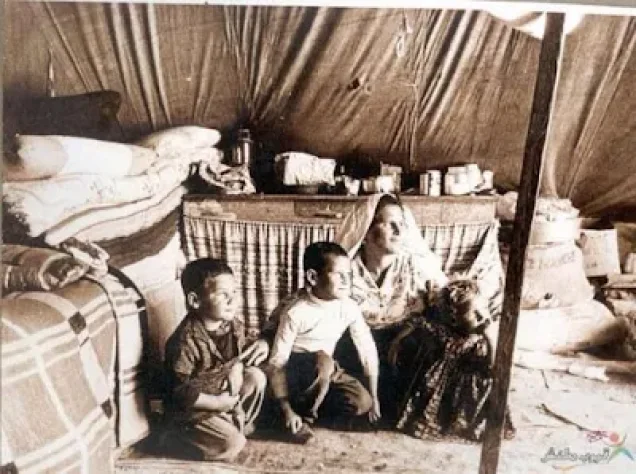
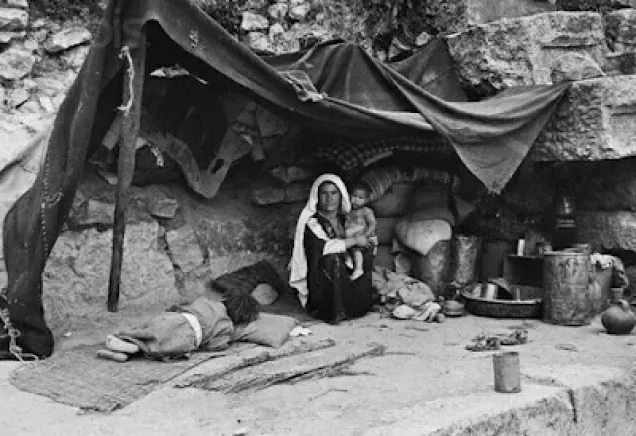
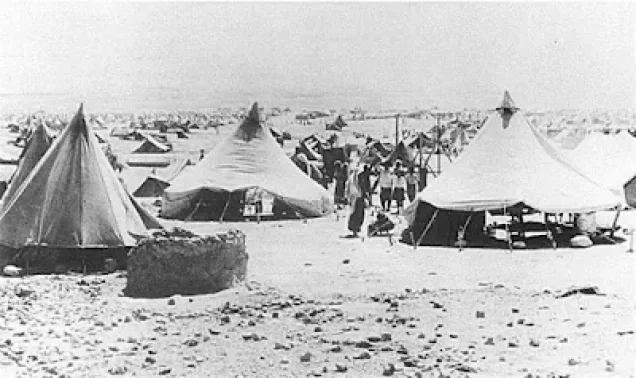
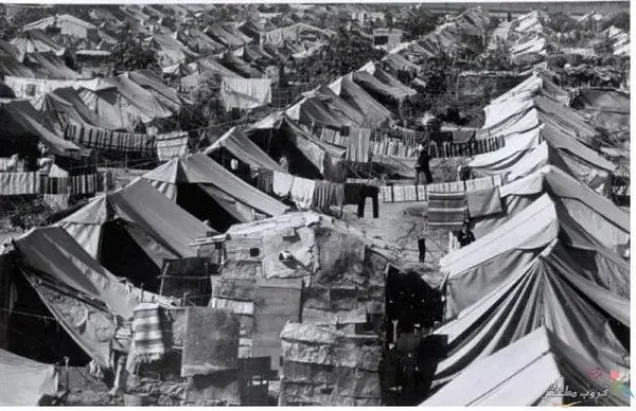
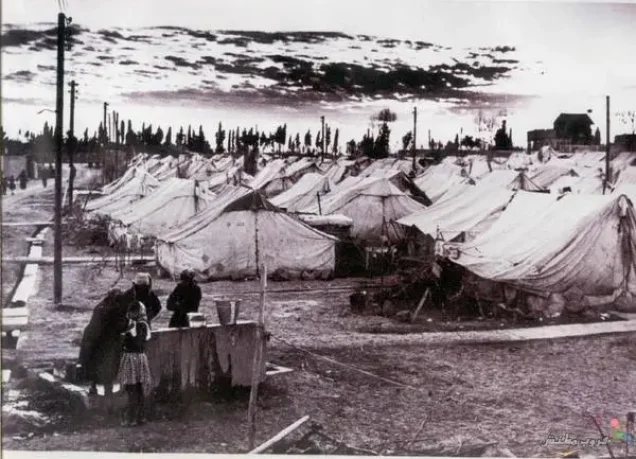
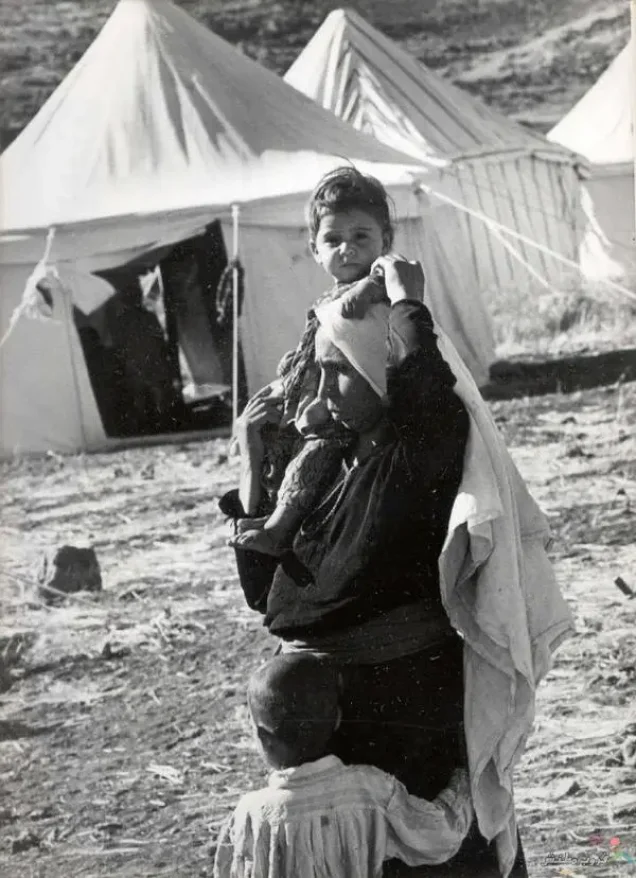
Refugee camps were initially established as an emergency response for a population that had lost access to homes, land, and livelihoods.
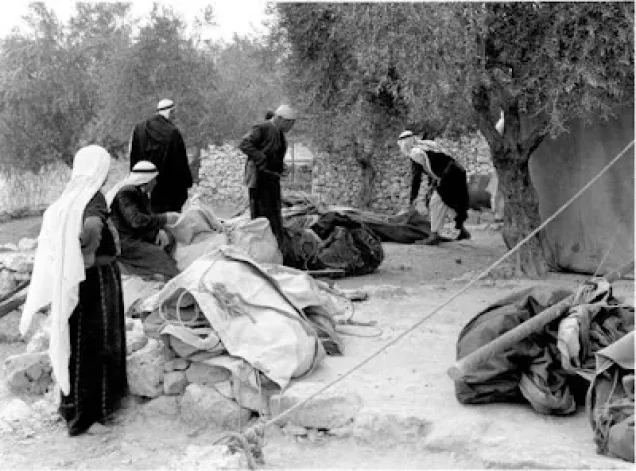
Many families lived in tents while expecting their displacement to be temporary.
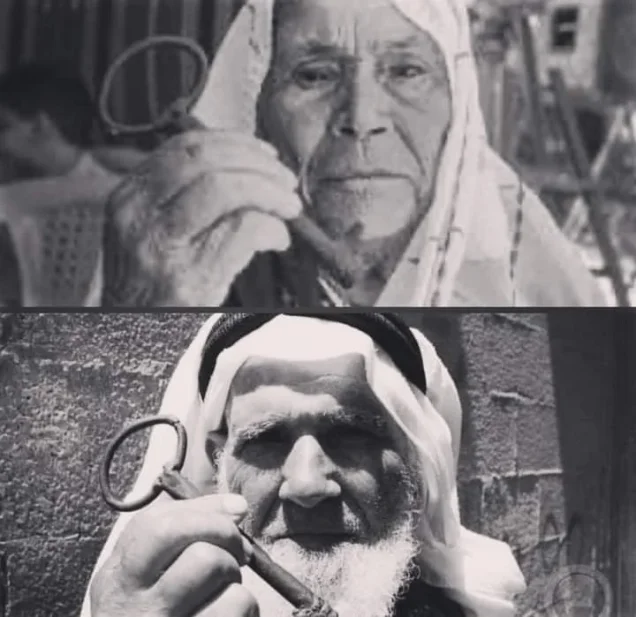
Over time, these temporary communities became permanent refugee camps, and the first generation of refugees raised children and grandchildren who inherited not only refugee status but also memories of villages and cities, property documents, photographs, keys, family stories, and a continuing attachment to the places from which their families had been displaced.
The Depopulated Villages Remained in Memory
The destruction of Palestinian villages did not erase them from the memory of their inhabitants.
Refugees preserved the names of villages, neighborhoods, springs, fields, family homes, cemeteries, mosques, churches, roads, and agricultural lands.
Oral histories were passed from one generation to another.
Village associations were established in refugee camps and diaspora communities. Families preserved property deeds and keys, while historians collected testimonies, reconstructed maps, and documented hundreds of destroyed communities.
The documentation of Palestinian villages itself became a means of resisting historical erasure and proof that these communities had existed and flourished, that their inhabitants cultivated the land and established institutions, and that they formed an essential part of Palestine’s social fabric before their displacement.
The Nakba Was a Historical Process, Not a Single Day
Reducing the Nakba to May 15, 1948 obscures an essential part of its historical reality.
The displacement of Palestinians began before the declaration of the State of Israel (Occupied Palestine) and continued afterward.
Different Palestinian communities experienced the Nakba at different times: Qisarya in February; Haifa and Jaffa in April and May; Lydda and Ramla in July; Galilee villages during Operation Hiram in October; and Palestinian communities in the Naqab during later military operations, while further displacement continued even after the principal fighting had ended.
The Nakba was therefore an extended historical process during which Palestinian society was progressively fragmented through occupation, displacement, destruction, dispossession, and the prevention of return.
The Nakba: A Wound Passed from Generation to Generation
For Palestinians, the Nakba is not remembered merely as a military defeat that occurred decades ago and ended.
It remains present in the empty space where a village once stood; in a house that still exists but to which its original family cannot return; in a key carried by a refugee into exile; in a land deed preserved by grandchildren; in a refugee camp established as temporary shelter that became a permanent community; and in a family story beginning with the words: “We were from...”
As the decades have passed, most of the generation that directly experienced the Nakba has died, but its memory has not disappeared.
It survives in the names of villages and cities, photographs, testimonies, maps, property records, songs, literature, oral histories, and the continuing demands of refugees to return to the places from which their families were displaced.
More than seven decades later, the political and rights-related questions created by the Nakba remain without a final resolution, foremost among them the refugee question, return, confiscated property, self-determination, sovereignty, historical memory, and the rights of a people of whom a large part was dispersed far from its homeland.
That is why the Nakba remains in Palestinian memory Palestine’s enduring wound.
It is the memory of a country radically transformed, of communities that disappeared from maps but remained present in the consciousness of their people, and of generations of Palestinians carrying both the pain of what was lost and the memory of the homes, villages, towns, and lands from which their families came.
Photo gallery




More from the archive


 Download Our Palestine App
The whole archive in the palm of your hand: depopulated villages, the Nakba, the massacres and Al-Aqsa — free, with no ads to erase the story.
Download Our Palestine App
The whole archive in the palm of your hand: depopulated villages, the Nakba, the massacres and Al-Aqsa — free, with no ads to erase the story.
Comments
No comments yet — be the first to write one.
Add your comment
Name and email are optional. Comments appear after review.